AusAlert Conspiracy
Katrina Borthwick - 17th August 2026
On 27 July, Australians experienced the first nationwide test of AusAlert, a new civil defence emergency warning system designed to deliver urgent messages directly to compatible mobile phones during bushfires, floods, terrorist incidents, and other major emergencies.
We already have this in New Zealand, and that’s why I was surprised to read that even before the test had occurred, social media was filled with claims that the system is really about government surveillance and the government secretly accessing information stored on people’s phones. One Adelaide café hit the news because they decided to shut down during the test, just to be safe. Spoiler…this is not how the technology works.
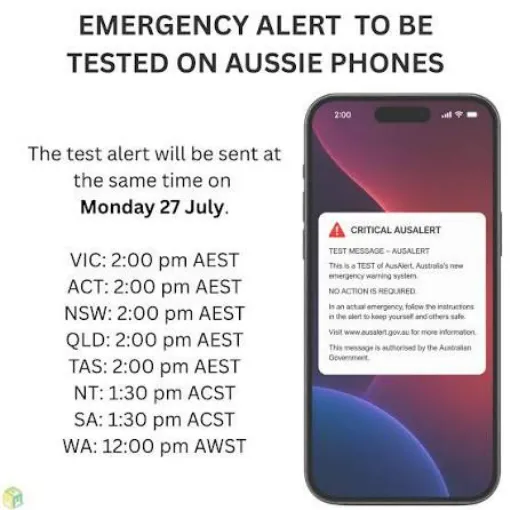
The claim is that because every compatible phone will receive the alert, the government must somehow know exactly where everyone is, or be installing new tracking capabilities. This has led to people asking if they can wrap their phone in tinfoil or put it in the microwave to stop the alert. The National Emergency Management Agency (NEMA) said that they didn’t think those ideas would work, and umm….. it might be easier to just turn the phone off. One redditor commented that these people may be better off saving the tinfoil for their heads. Added to this, emergency services can send an alert at any time if there is a real emergency. So shouldn’t these people just keep their phone in the microwave (or off) permanently, just in case… or are they actually thinking they might want to know if they are about to be engulfed by a tsunami if they don’t move? It’s hard not to make a ‘natural selection’ joke at this point.
In terms of privacy, the emergency alert message is a one-way communication system - it’s not sending anything back to the tower, and is certainly not delving into anyone’s personal data or apps on their phones. It is a one-way message dump to whomever is out there, and is not directed at individuals. It’s a bit like a radio broadcast, or the electronic equivalent of yelling on a megaphone. It’s not a personal message. The telcos are pushing the message out to all phones, and they already know which phones are in each area, they aren’t learning anything new. The AusAlert system, like the New Zealand alert system, uses cell broadcast, not SMS - the latter being a bit unreliable when networks get congested. Cell broadcast simply sends a message from a mobile tower to every compatible device currently connected within the broadcast area. The network does not need to know who owns the device, what files are stored on it, or where it goes after receiving the message.
There was a concern floating around that the alert could be hacked. This would be no easy feat, but in the unlikely event that a telco was hacked, it would be possible for someone to push out bogus messages. I recall in 2017 someone sent out an emergency alert in error, and set all the phones off. It was 1.30am, so I was very glad I don’t keep my phone in my bedroom. Last year there was also an issue with multiple tsunami alerts triggering. I think that sort of annoying scenario is much more likely than an actual hack. But in the event a telco was truly hacked, I think we would have more to worry about than fake emergency phone alerts.
https://www.youtube.com/shorts/vle38fGqrvM
The only legitimate concern I spotted was that the noisy ten second alarm could disclose safety phones, particularly those held by victims of domestic violence. People who have these phones were encouraged to turn them off or put them in airplane mode to avoid them being discovered. Oh yes, that’s another idea, if these conspiracy theorists don’t want to go so far as turning off their phones, could just put them in airplane mode at the nominated time. This is a lot less effort than typing multiple posts on reddit, creating conspiracy theory videos, and wrapping your phone in foil. But maybe less fun. Aw, bless.
It seems that almost identical claims have appeared every time governments introduce or test emergency alert systems. When New Zealand’s Emergency mobile alert system was introduced in 2017, the exact same conspiracy theories circulated on social media. The system has since been used repeatedly during severe weather events, volcanic eruptions, earthquakes and the COVID-19 response, without any evidence of anything nefarious going on. Australia experienced similar misinformation around the earlier Emergency Alert SMS system, while the introduction of AusAlert has simply generated a new version of that same narrative.
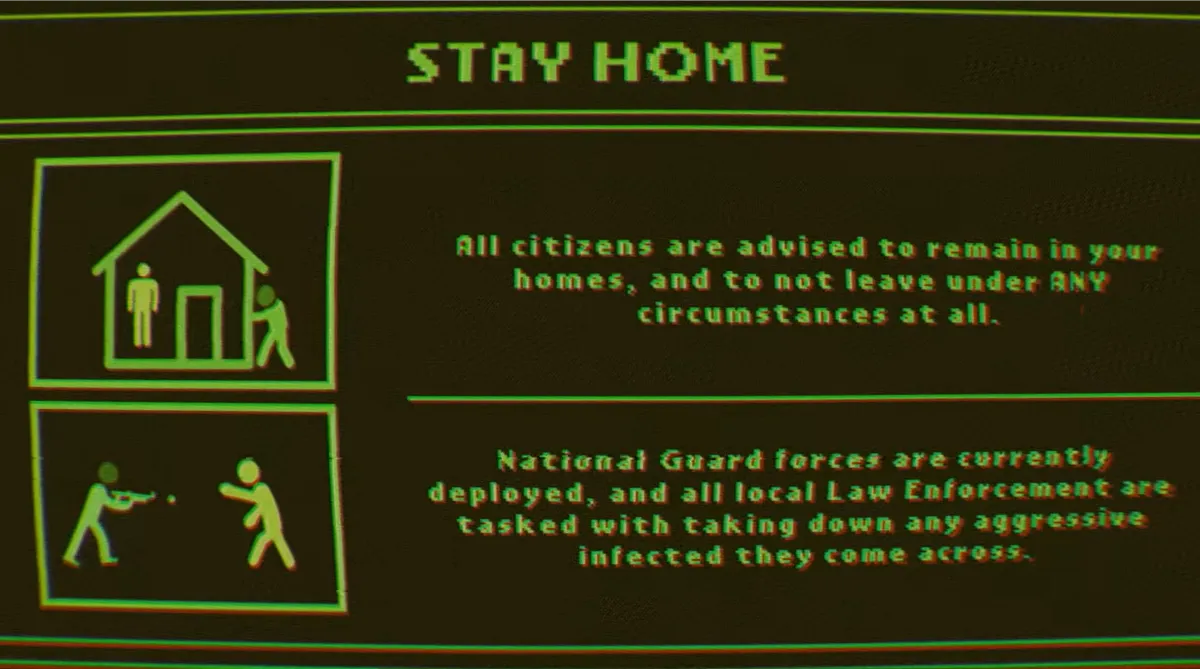
In the United States, the Wireless Emergency Alerts (WEA) system has inspired its own myths. During a nationwide FEMA emergency alert test in 2023, viral posts falsely claimed the alerts would activate hidden nanotechnology from COVID-19 vaccines, transmit harmful frequencies, or somehow alter people’s biology. One theory was that the EAS alert was part of a government conspiracy to trigger a zombie apocalypse. The claim was that the 5G network would trigger vaccinated people to turn into zombies. There was also some suspicion about the overlap in timing of the EAS tests between Russia, the U.S. and India, and how this could be a sign of international collusion or, somehow, lead to nuclear war. I wonder if this timing was just a case of the technology being available to all nations at the same time. The following video is a spoof, rather than an example of a real conspiracy theory, but it wouldn’t surprise me if it’s not too far off. The use of 80s computer graphics is probably an attempt to stop people mistakenly thinking it’s real.
There are some hilarious fake national alerts on the Alert World channel. As well as the zombie apocalypse series of ridiculously escalating alerts in the video above, you can browse alerts catering for such events as the lizard people, annexation of Canada, Ronald McDonald mystery meat, the blanket ghost, populations getting trapped in Ikea stores, and Jesus Christ coming back.
The vaccine and 5G themes lead me to believe that this is possibly an example of a narrative attack. A narrative attack is any assertion that can cause harm by negatively shaping perceptions about a person, place, or thing in the information ecosystem. Narrative attacks cause massive financial and reputational harm, and the better-planned versions can be really persistent. An example of this would be the ‘stolen elections’ narrative.
It would seem some people cannot get their heads around simply turning their phone off, while at the same time saying a great harm will occur to those who have theirs turned on. This sort of conspiracy gets legs because the alerts are highly visible, government-operated, technically complex, and how it actually functions is difficult for most people to independently verify. Added to this, few people understand the difference between SMS, GPS, cellular location information, and cell broadcast technology. Finally, these conspiracy narratives often borrow from existing legitimate concerns about digital privacy, giving them a veneer of believability.