Welcome

Since 1986, NZ Skeptics members have been sharing curious, critical writing about extraordinary claims in New Zealand and beyond - from classic NZ Skeptic journal pieces to newer newsletter and media commentary.

This archive brings all of that work together in one place. You can dive into the latest articles, explore older favourites, browse by topic or author, and follow how skeptical conversations have changed over time.

Latest Articles

Randi and me, part 1 - the dowsing test
Editor's pick

Randi and me, part 1 - the dowsing test

Lee Traynor

When I turned a skeptic in 1988 and joined the German Skeptics (GWUP), one of the first things I did was to go to a World Skeptics Conference, which was held in the small Bavarian city of Bad Tölz in 1989. Randi was at the conference, showing off magic tricks (including his changing the time on a wristwatch by “psychokinetic” means) - and he also gave the keynote. I was very impressed.

Approx. 8 min read

Grey Matters: The myth of frontal lobe maturation

Grey Matters: The myth of frontal lobe maturation

Bronwyn Rideout

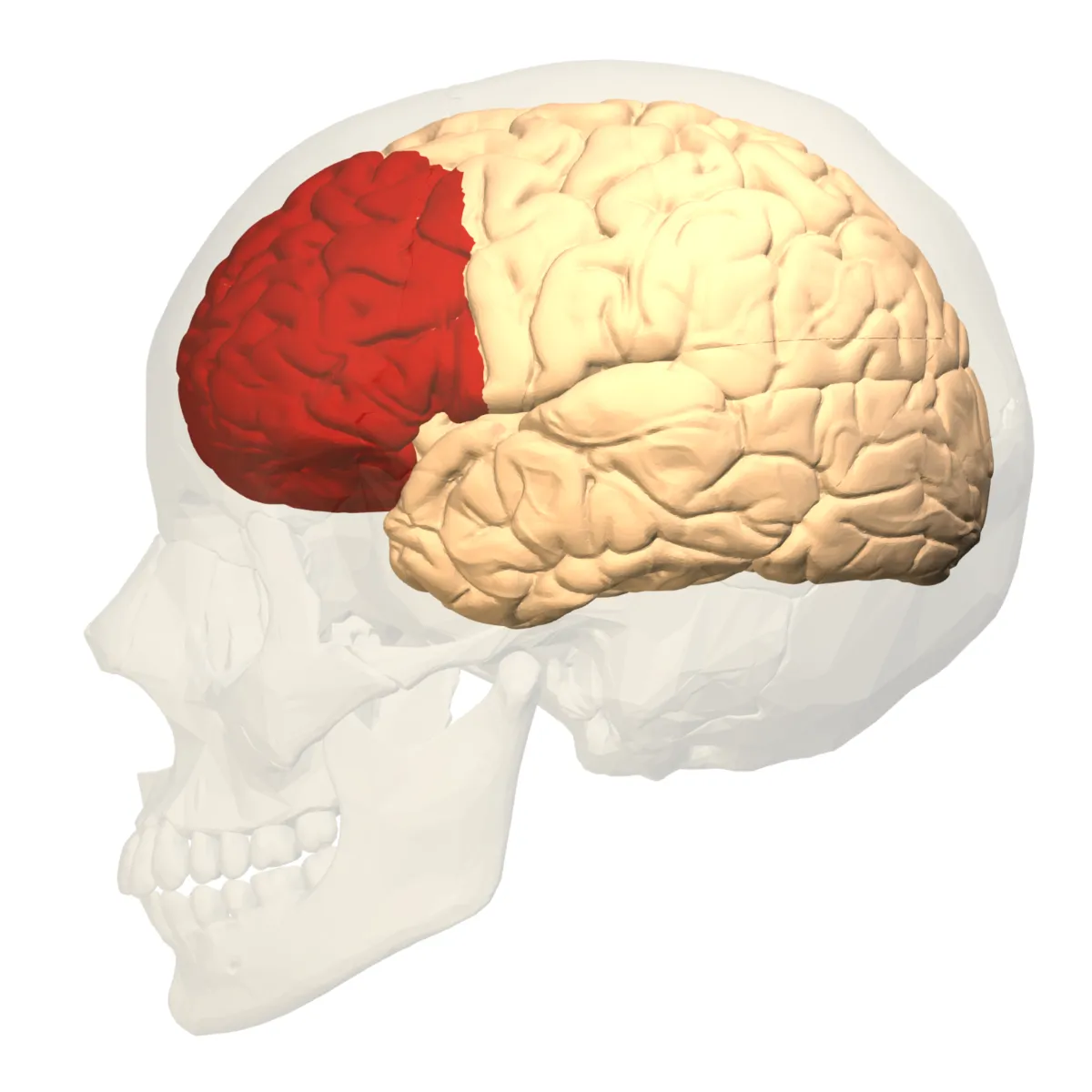
The past few years have seen the debunking of a popular myth about the maturation of the brain, particularly the frontal cortex, stopping at the age of 25. You would have definitely heard it in various popular media (especially in relation to Leonardo DiCaprio's roster of younger girlfriends), and maybe in your high school science class. My preliminary research indicates that this is a new myth (with caveats), but its application by society, the justice system, and other public institutions requires reevaluation.

Approx. 5 min read

The rise of AI psychics

The rise of AI psychics

Mark Honeychurch

The Guardian published an article a few weeks ago that I found pretty funny. The topic was the increase of LLM based psychic prediction apps, and author Kari Paul interviewed several psychics as part of her due diligence. I'm not sure whether Kari noticed the irony of some of the things the psychics said to her, as the article came across as very straight-laced. But for skeptics, and anyone else who understands that psychic powers are not real, it's hard to take the concerns of “real” psychics seriously.

Approx. 6 min read

Life not as we know it

Life not as we know it

Katrina Borthwick

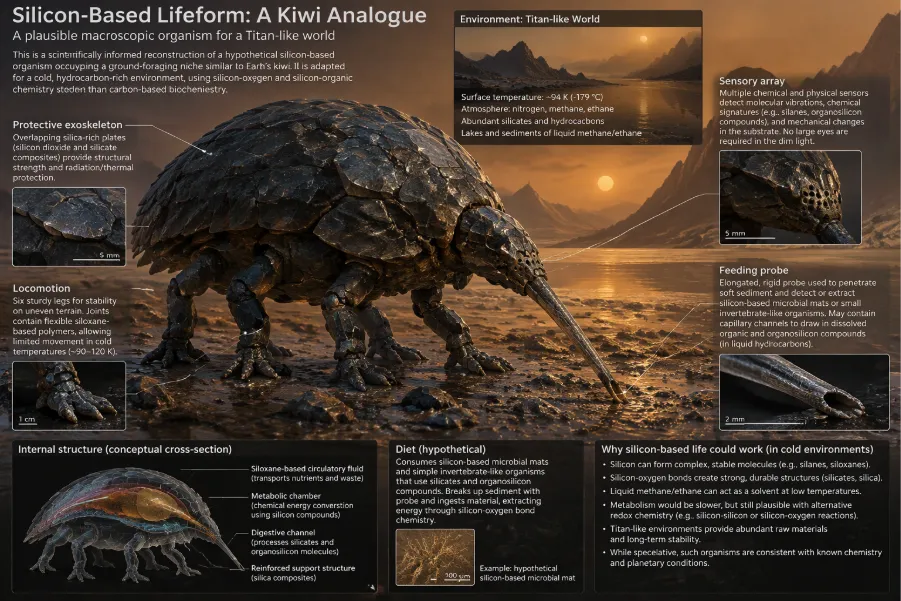
It's been a while since I delved into the area of non-carbon-based life. It used to be all the rage, with theories around what silicon-based life forms might look like and, if we encountered alien creatures, whether they would be carbon-based (like life on earth) or something else entirely. There was concern that we may overlook an alien life entirely if we didn't recognise it. Today, when I talk about silicon-based life, I imagine most people's brains immediately jump to computers and artificial intelligence - but that wasn't always the case.

Approx. 6 min read

Topic Spotlight: child

Naturally Skeptical
Margaret Mahy

Award-winning author and long-time Skeptic Margaret Mahy delivered the after-dinner speech at the 1993 Skeptics Conference. This is an abridged version of her talk.

Approx. 16 min read

The (bad) science behind the MMR hoax
Siouxsie Wiles

The world-wide panic over the MMR vaccine was sparked by the actions of one doctor who breached several standards of scientific practice. This article is based on a presentation to the 2010 NZ Skeptics conference.

Approx. 9 min read

Making cents of charity: Child Sponsorship, Part 2
Bronwyn Rideout

At the end of part one, charities that used child sponsorship were facing a period of transition, both at home and in the countries they served. Conflicts throughout Asia during this time obviously hampered child charity operations, regardless of their fundraising model: World Vision had to abandon operations in Vietnam and Cambodia, and SOS Children's Villages had two of their villages taken over by the Vietnamese government in 1976. The retreat from parts of Asia experiencing war or other conflicts would be a boon for other countries, although World Vision described having to abandon 23,000 sponsored children with their retreat. By the 1980s child sponsorship would surge again, as millions of dollars in humanitarian aid was sent to anyone and everyone working in, or singing about, Ethiopia during the famines of the early-to-mid 1980s.

Approx. 15 min read

From the Archive

Featured Author

Steven Galbraith

Steven Galbraith

Steven Galbraith is an associate professor in mathematics at the University of Auckland. His research interests include cryptography and information security, and he enjoys breaking mathematical cryptosystems (cryptanalysis is basically skepticism about cryptosystems).

Articles
7
Long reads
4
Total words
14,823
Published
2014 - 2018

Jack Heinemann Interview

His research interests include genetics and evolution, including the effects of stress (particularly induced by antibiotics and agrochemicals), risk assessment and the influence of language on science and eugenics.

Approx. 19 min read

Mathematics and Pseudoscience

First, please don't panic! This article is about pseudoscience and those who practice it, and does not require knowledge of mathematics.

Approx. 13 min read

Bitcoin for skeptics

It is hard to avoid hearing about Bitcoin and other so-called cryptocurrencies these days. Almost every issue of every newspaper has an article about some aspect of Bitcoin. As a researcher in cryptography I have been interested in Bitcoin since around 2013 (though I confess to have never "mined" a block or invested in Bitcoin). The purpose of this article is not to explain the technology of Bitcoin or to give a detailed overview of it. And I am definitely not giving investment advice! Instead I want to highlight a few aspects of the Bitcoin story that I think are of particular interest to skeptics.

Approx. 12 min read