Chubby the AI cat: Another image scan, Elsagate 2024, or a bit of both?
Bronwyn Rideout - 9th December 2024
It started innocently, with a late-night doom scroll through Instagram stories when the following reel, cross-posted from TikTok, appeared:
Special Forces Kittens (who clearly did not learn gun safety)
https://www.tiktok.com/@ree_ree0513/video/7436008895874632968
To be fair, the random video appearing isn’t unusual at all. Instagram and Facebook love to push videos from random channels and other adverts all the time. But this video was unique because I watched it long enough that it placed a curse on my algorithm that has lasted for three weeks:
Kitten Police (AI has yet to learn what words are)
Followed by weirdly nationalistic AI videos of countries where oversized animals are part of the military
https://www.tiktok.com/@ree_ree0513/video/7436749979147996424
https://www.tiktok.com/@ai_chronicles/video/7420108044748590344
And then there are the frankly uncomfortable implications of countries as families/mafia bosses where small, human wives have towering animal husbands.
https://www.tiktok.com/@ai.volutions/video/7437267108628614432
https://www.tiktok.com/@ai.volutions/video/7443228014487276822
While the noble moose is frequently the animal used to represent Canada, our official animal is actually the beaver, and these AI-content farms are too cowardly to even try to make it appear fearsome (most of the time).
But I digress.
Near the end of 2023, Dan Ryan wrote about how AI images were being used to farm social media engagement and then sold to be repurposed, but with the number of likes unchanged. While some of the images were of fake but relatively benign subject matter (think of humans standing next to fake but elaborate wood carvings), the tipping point appeared to be “Shrimp Jesus”.
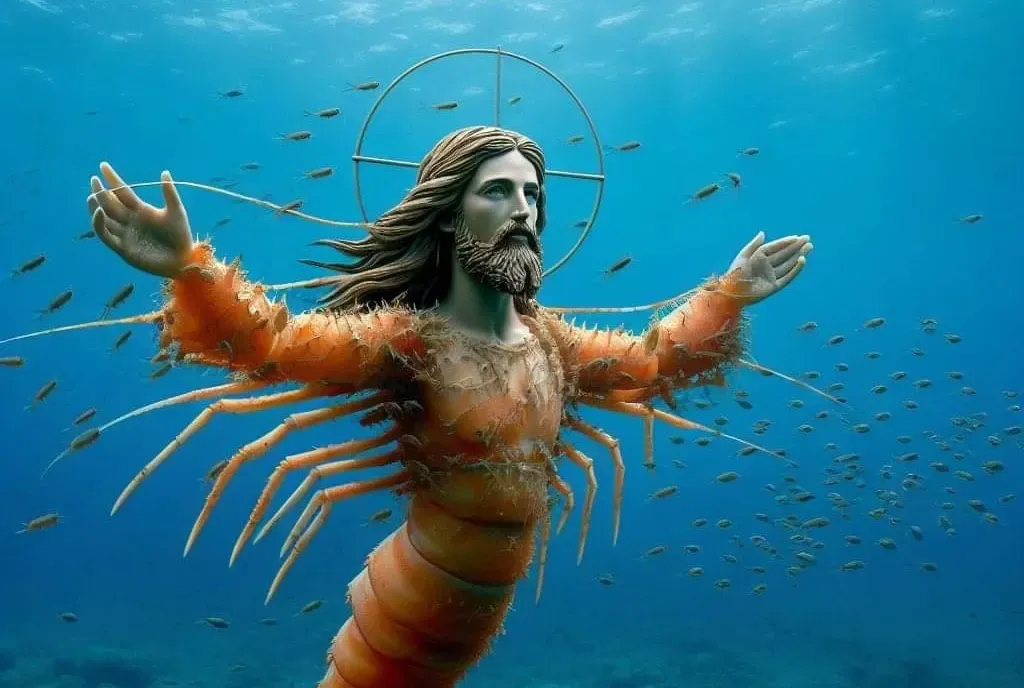
While jokes abound about boomers being fooled, researchers from Stanford University and Georgetown University analysed the images. They found that some of the accounts used to proliferate the images were actually purchased from others, or even stolen, thus taking advantage of the established following of the original page, simply renaming it and growing its audience further for their own purposes. These scam pages also often directed viewers to domains that tried to collect personal details or sell non-existent products.
Instead of presenting an AI-generated image as real, this new viral trend leans into the AI and pulls engagement by enticing people to wait and see if and how their country is represented in sexy beast form, doing a superhero walk to a bumping techno soundtrack.
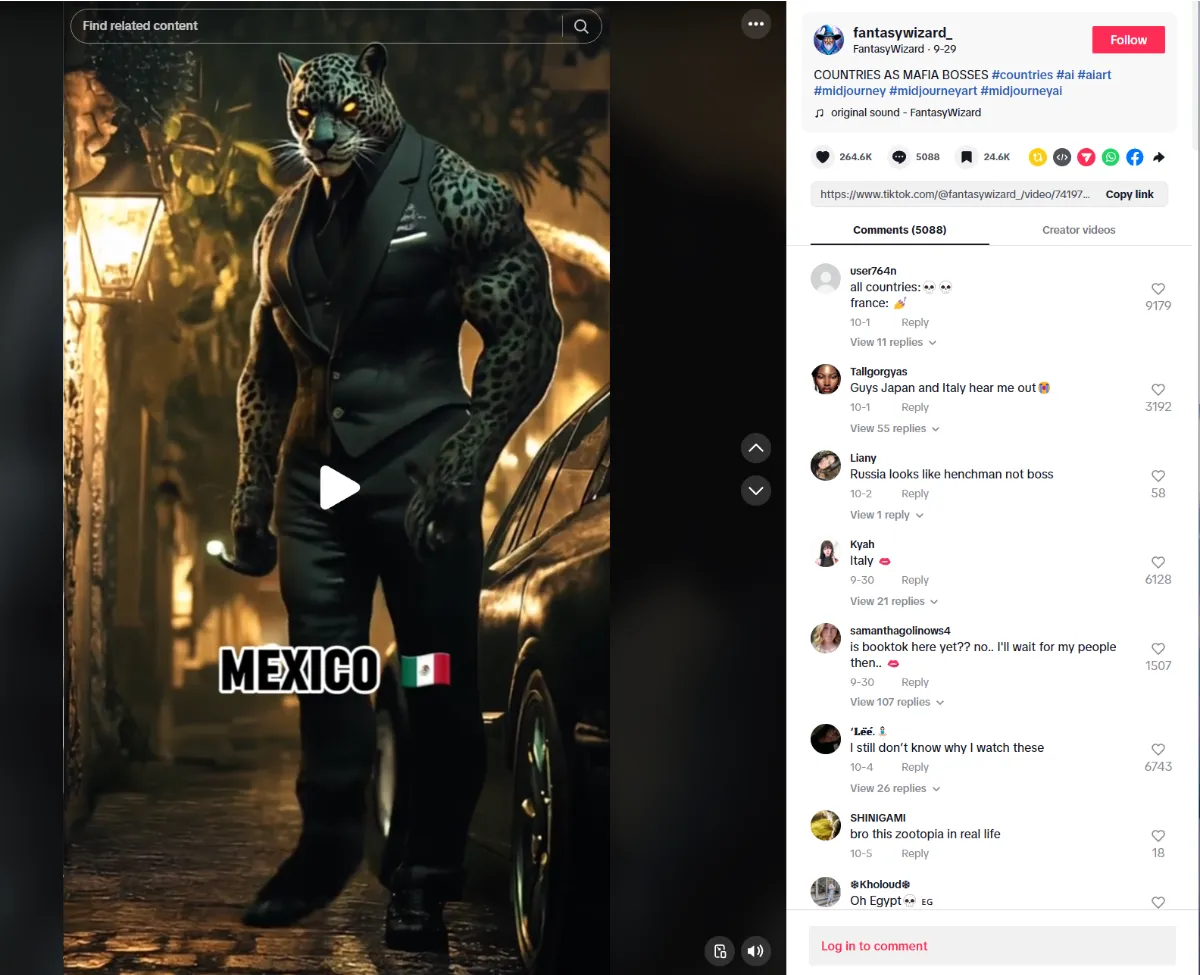
(Commenter samanthagolinows4 is not far off in surmising that the target audience may be far broader than we may suspect)
Creating this content is relatively easy and convenient. Between ChatGPT and platforms like Tensor.Art, it is possible to churn out several of these videos in a day.
It appears that many accounts that publish this content on TikTok are the creators, and their links redirect to a Patreon account or other social media accounts.
But these videos face stiff competition for the eyes and ears of net denizens from a surprising source.
And that is in the various adventures or misadventures of a fat, orange AI cat named Chubby, and his son, Chubby jr.
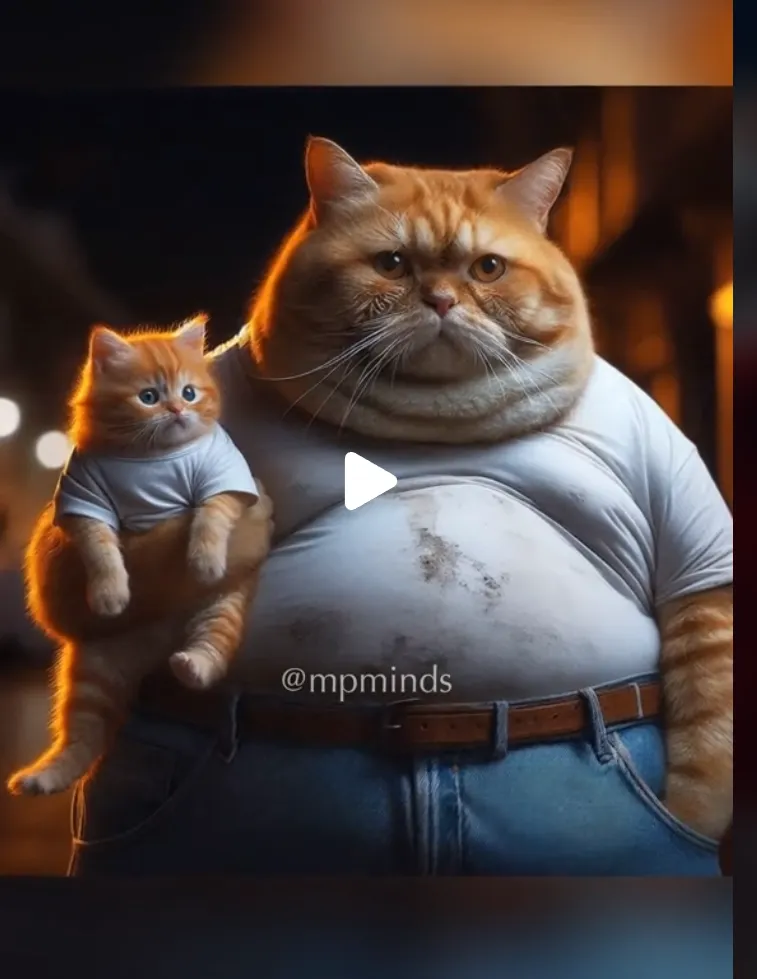
Both the BBC and the Washington Post reported on the Chubby phenomenon back in August. Chubby and similar content is the antithesis of the slick and confident predators presented in other videos, both in character design and video production. The main character is often a down-on-his-luck, overweight, solo dad orange cat who usually comes to a tragic end. This aspect is deliberate, according to alleged Chubby creator TikTokker MPminds. MPminds observed that his AI videos with cats were far more popular than his other output, and videos with especially unhappy endings attracted more engagement. The other part of the charm with these videos is how they can appear overproduced while also simultaneously failing quality control. As noted in the BBC article, the appearance of the cats and the backgrounds vary wildly with each frame change, with little or no animation. You can immediately figure out whether you’re watching a tragic AI cat story or a triumphant one based on the music: AI cats meowing the tune to Sia’s “Unstoppable” usually have a heroic/triumphant plot, while the cat version of Billie Eilish’s “What I was made for” tends to be the soundtrack for sad tails… I mean tales.
https://www.instagram.com/reel/C6_zgR2tivQ/
But, despite the campier aspects of this meme, is there a less savoury side to Chubby Mania?
Yeah, there kind of is.
Although I haven’t observed the same degree of scamming that came with Shrimp Jesus and its ilk, the Washington Post noted that some videos can get dark or grotesque, for example presenting the AI cats and kittens burning to death or dying in accidents. This has brought up comparisons to Elsagate; a YouTube controversy where videos featuring fictional characters (often Elsa from Frozen) engaging in disturbing or inappropriate behaviour were accessible and promoted to children. Since the AI cat videos are short clips rather than long-form videos, they tend to avoid filters. They are similarly available to children through TikTok, Instagram, Facebook, and YouTube shorts, and the often cutesy style of the images helps them to go under parents’ radars. There is hand-wringing about the possible traumatic impact this may have on children, but until actual research is done, that’s speculative. Nevertheless, there is a TikTok trend where parents are recording their children crying while watching sad AI cat videos, raising an additional issue of parents using their children for content - which is a whole different concern (and legal stoush).
While AI videos require more time and effort than images, they increase the number of platforms on which you monetise your content. The particular popularity of Chubby and Friends has allowed a cottage industry to emerge. According to the Post, just posting tutorials on how to start your own AI cat or sexy beast-as-country channel can net you thousands of dollars, as people chase this new get-rich-quick(ish) scheme. With the barriers to accessing AI software disappearing, and the skill needed to use it increasing across the general population, we’re likely just seeing the first of many viral AI video trends to come.So, in the meantime AI cats and their terrible luck are sticking with us. But if you would like a lo-fi and uncontroversial cat content alternative, may I recommend the seasonal stylings of The Jingle Cats?
Tags: video, cat, images, chubby, ree_ree0513