Is the future of cars Hydrogen?
Craig Shearer - 14th September 2026
My wife and I have been away on holiday for the last month in the UK. If you’re a regular reader of the newsletter you’ll have noticed that Mark dropped me in it for turning up at Loch Ness in Scotland to check out the nessie experience. Mark set the expectation that I’d be writing an article about it.
Well, having checked out the nessie experience options, we decided against it, mainly because we had to wait for about 45 minutes for the next available slot, and it was quite an expensive experience. It did make me reflect on how much a hoax photograph from 1934 has been turned into a major tourist magnet, with all sorts of stuff organised around it.

The famous “Surgeon’s Photo”
They’ve even sent submersibles down to take a look for nessie.
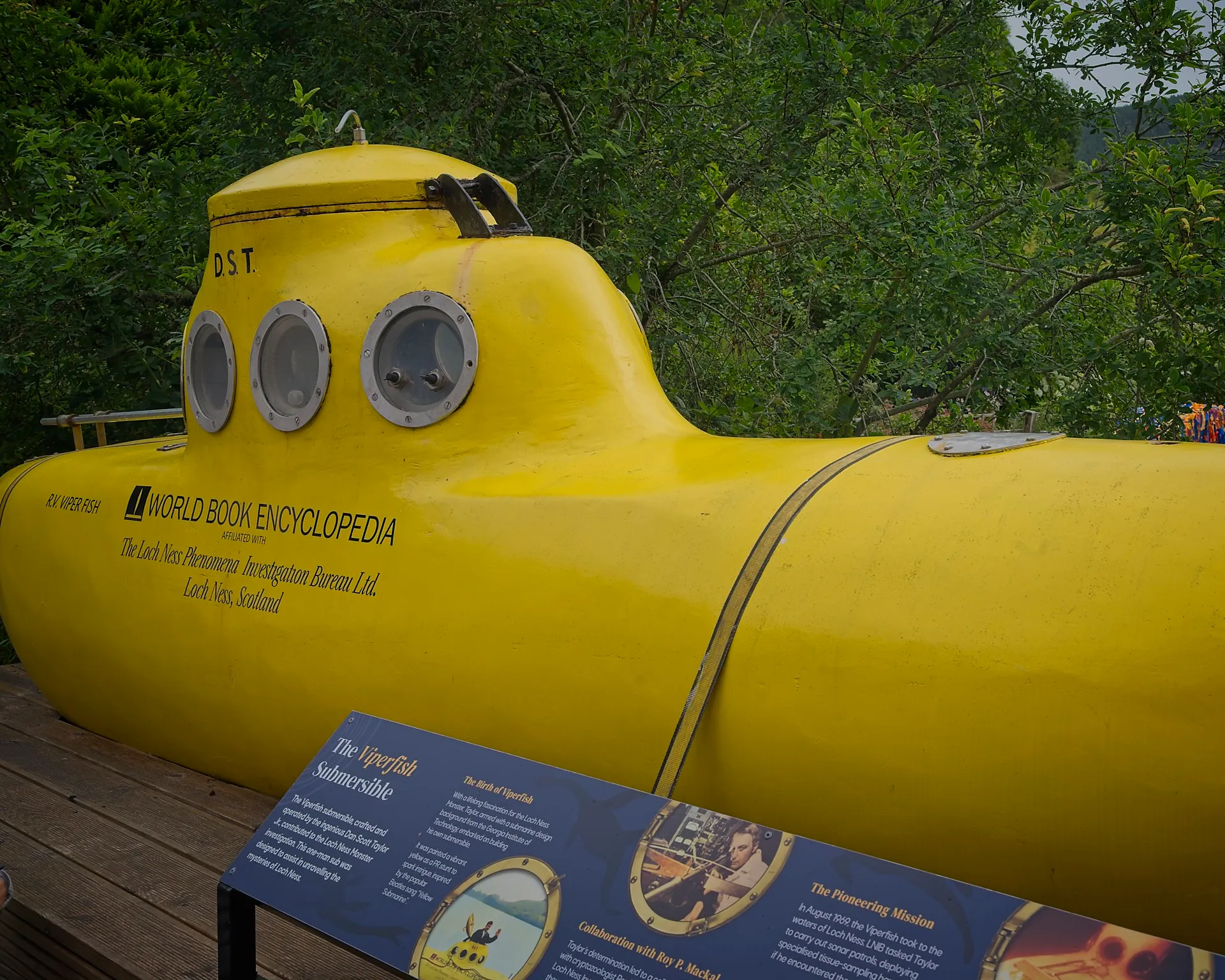
Nessie research submersible (Photo by Craig Shearer)
So, not doing the nessie experience, we did spend some time watching canal boats being lowered by the fascinating lock system. It’s an ingenious system for moving boats along a stretch of water in either direction by letting the water fill up or drain to raise or lower a boat. Fascinating stuff, especially if accompanied by some local fish and chips 🙂
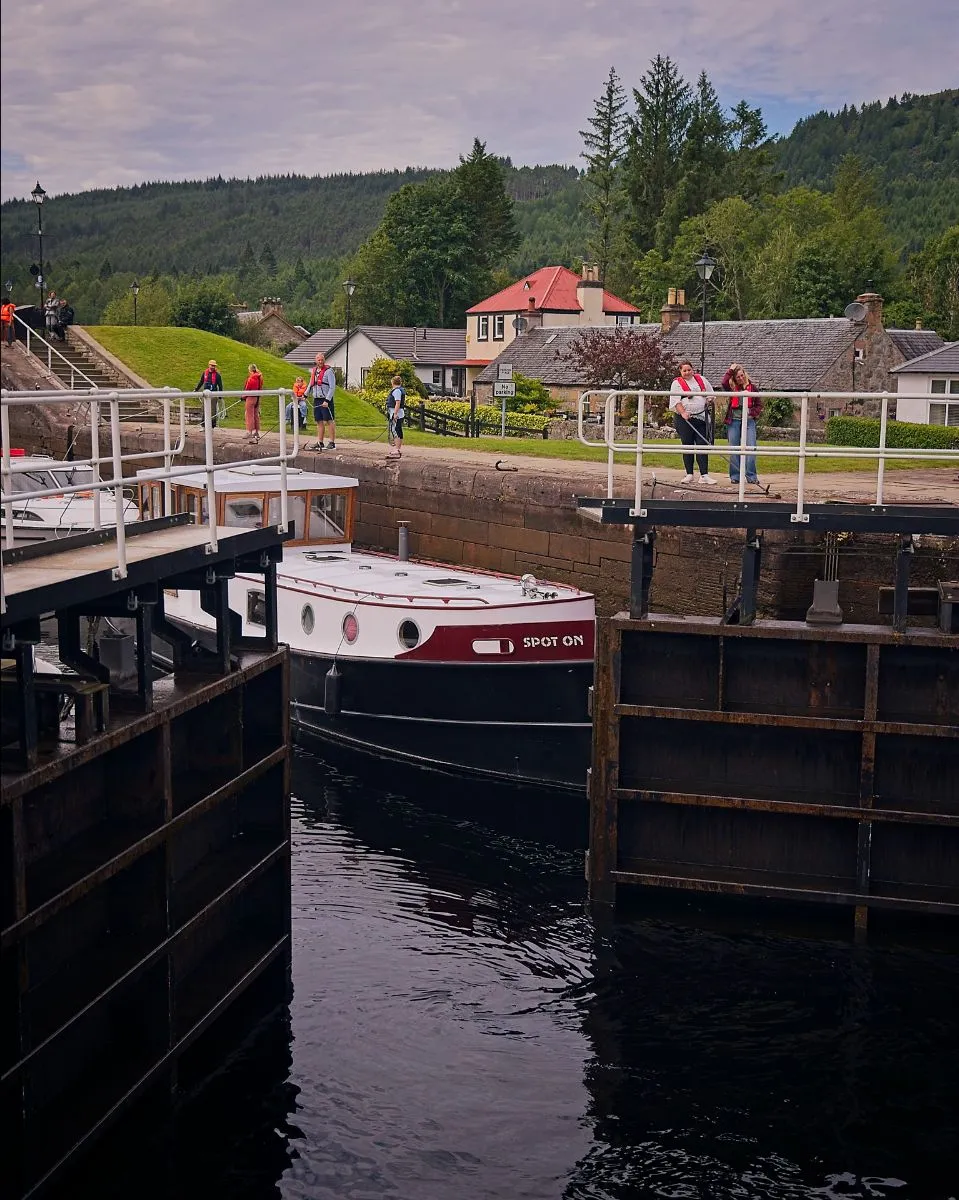
Boats being moved in the lock (Photo by Craig Shearer)
While I was away, though, I was checking out the NZ newspapers, and an article in Stuff’s motoring section caught my eye, which seems to be syndicating content from the Driven Car Guide site. According to the article, you can now hire one of three Toyota Mirai hydrogen fuel cell vehicles from Ezi Rental in Palmerston North.
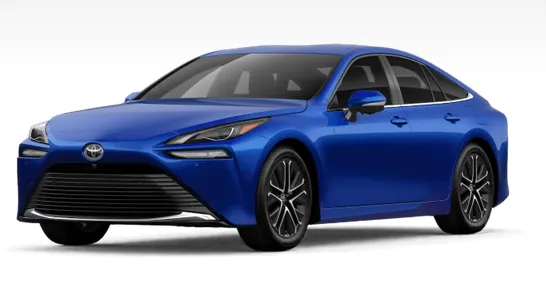
(From Toyota’s site)
The rentals come with some severe limitations. There’s no refueling network for hydrogen cars, so you’re limited to being able to drive one around Palmerston North. They’ve stated a range limit of 250km, so it’s really for local driving only, and they’re limiting rentals to two days only.
I’ve been driving an electric vehicle for almost a decade, so I’ve had a keen interest in the technology and how it’s progressed. It’s fair to say I was an early adopter, and there were plenty of barriers to adoption in the early days, such as lack of range, high prices for battery vehicles compared to traditional ICE vehicles, and few charging options for longer distance road trips.
Hydrogen cars were a favourite of the anti-EV crowd, with them being promoted as the future solution to getting off fossil fuels. “I’m not going to buy an EV, I’m waiting for hydrogen cars.”
But, it’s not turned out well for hydrogen cars. EVs have won the race, and likely will be the future. As happens with most new technologies, once something is well established it tends to dominate. While ICE cars are still being sold, the writing is on the wall, with several countries banning their supply in the next decade or so. With the recent fuel crisis caused by the war between the US and Iran, many people have made the switch to an EV. Several countries, including Australia, are now seeing higher sales of EVs than traditional ICE vehicles.
There are a few issues with using hydrogen for cars. Firstly there’s the problem of where the hydrogen is coming from. Most industrial hydrogen is a byproduct of fossil fuels, with an estimated 95% of it coming from those sources. The world doesn’t have much of a supply of hydrogen occurring naturally, mainly because it’s such a light gas that it can easily escape Earth’s gravity into the atmosphere, and it’s very reactive so it quickly bonds with other elements to form other molecules. And because hydrogen is a small molecule, it makes it difficult to transport.
It’s also not particularly efficient compared to EVs. These hydrogen powered cars work by combining the hydrogen with oxygen from the air in a fuel cell stack. This produces electricity used to power the car’s electric motor. Water is the byproduct of the reaction.
The Toyota Mirai vehicles also have a lithium-ion battery used to store the power from the fuel cell, and from standard regenerative braking which EVs and hybrids have.
The conversion of hydrogen into electricity is typically around 50 - 60% efficient, and then that needs to be used to run the motor(s), which is around 85 - 95% efficient.
But, where is the hydrogen coming from?
In the NZ setting, it’s coming from Hiringa Energy, a local company that specialises in “green” hydrogen. They’re using electricity to split water molecules to get the hydrogen. So, that part is green in that they’re not using fossil fuels as the source of hydrogen. But, this also factors into the efficiency of the entire system. It turns out something like this:
- Electrolysis: 60 - 70% efficient
- Compression and storage: 90 - 95%
- Fuel cell conversion: 50 - 60%
- Motor: 85 - 95%
Overall, it works out between 25 - 35% efficient. Compare that to EVs, which come in at around 70 - 80%, and the difference is vast. Still, they’re better than ICE engines, which are somewhere around 20% - maybe lower if you consider the emissions from fuel transport.
So, no, hydrogen cars are not going to be the future of cars, from an efficiency point of view.
Are Hiringa Energy doing good stuff? Well, yes, it seems that they’re using wind turbines to generate the electricity to split water into hydrogen. They have a plant which uses generated electricity from Kapuni, in Taranaki, capable of generating approximately 100 GWh/year, which powers a 5 MW electrolyser, generating two tonnes of green hydrogen per day.
Hydrogen power will have a niche market. It is potentially a good solution for industrial processes that are hard to electrify, and getting the hydrogen from a green source means it’s reducing our carbon emissions. Hiringa Energy’s main market though is hydrogen trucks, for long-haul heavy freight where batteries haven’t made much of an impact (yet). There are a range of hydrogen vehicles available, and most of the major truck manufacturers seem to be investing in this technology. My bet though is that this is a transitional technology, and that batteries will eventually win out. Electricity is a lot easier to transport around the country than hydrogen is.
One final concern I have about these hydrogen cars is what will happen to them at the end of their life. Rental car companies traditionally sell off their aging fleet into the second-hand market, but there won’t be a domestic market for these vehicles with no or limited ability to refuel them by domestic users. This likely means they’ll just be scrapped, or perhaps minimally recycled, with the embedded emissions (from manufacturing) lost. This mirrors what happened in California a few years back. Toyota sold about 15,000 of these Mirai models there, but the refueling network failed to substantially materialise, meaning the cars were essentially worthless. There’s a class action lawsuit taking place against Toyota for these cars. Mirai is the Japanese word for “future”, but these cars seem anything but!

Tags: hydrogen, car, fuel, vehicles, newsletter, mirai, electricity