Are the Robot Vacuums out to get us?
Katrina Borthwick - 14th September 2026
In July 2026, a curious announcement was made by the U.S Federal Communication Commission’s Public Safety and Homeland Security Bureau (PSHSB). They added two new categories of equipment to the national security ‘covered list’. The second category captures foreign‑produced advanced robotic devices, including robot vacuum cleaners.
According to the notice, their networked capabilities create the ability for foreign actors to manipulate robotic operations, commandeer devices, or collect sensitive data. They can potentially be used in surveillance, or for enhancing foreign intelligence services. It goes further, saying that such devices pose supply‑chain vulnerabilities affecting U.S. economic and national security, and create cybersecurity risks threatening critical infrastructure and U.S. persons. In other words, they could be used for espionage - spying.
Thus, the FCC has effectively banned: “All foreign-produced advanced robotic devices, unless the Department of War… determines [they] do not pose such risks.” Well, technically they are not ‘banned’, but offshore robot vacuums cannot legally be sold, marketed, or imported unless they comply with FCC radio‑frequency rules.
Obviously, robot vacuums and mops are not the only robotic devices in domestic use, but I would argue they are probably the most common. Other devices are trailing behind in popularity - pool cleaners and self-cleaning litter boxes. Although robotic lawn mowers are a bit more common, I suspect their outdoors location may mean they aren’t much use for spy craft. It is however amusing to think a foreign power might decide to use a litter box as a spy device. The mind boggles at that one.
What is clear is that robot vacuums are steadily making their way into homes, promising effortless cleaning and more leisure time. As these devices glide quietly through living rooms, mapping out spaces and learning routines, it’s easy to forget that they are more than mere appliances. They are advanced, internet-connected technologies. So, what exactly does this mean for our privacy, security, and even personal safety?
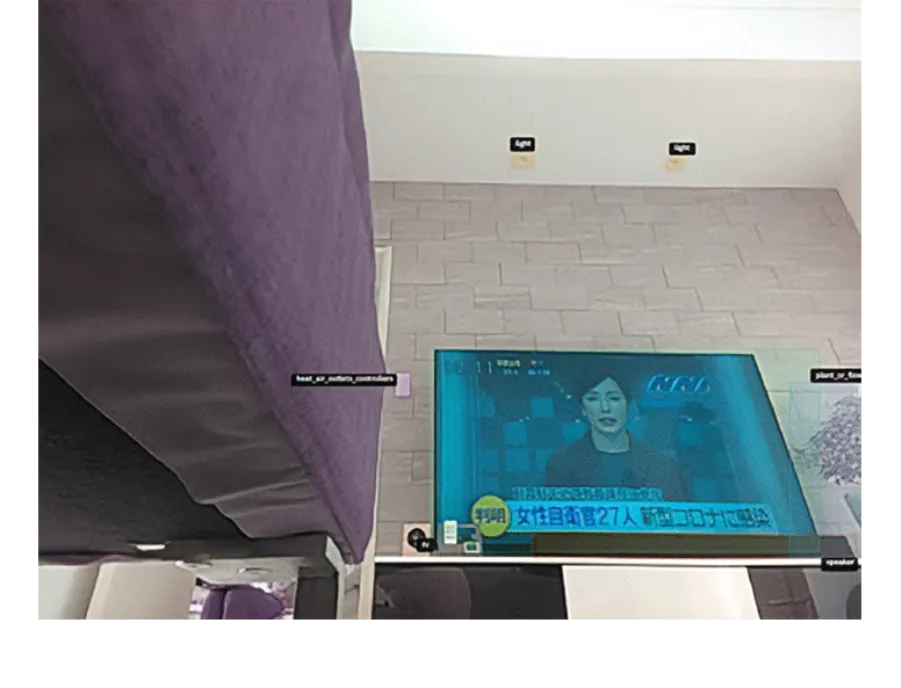
Actual feed from robot vacuum - note the labelling on the furniture, and it can also see the TV
What do they know about us?
Modern robot vacuums are equipped with sensors that may include cameras, microphones, lidar, and more. While these features help the vacuum navigate homes and cluttered spaces, they also gather an impressive amount of data. Floorplans, images, and even ambient sounds can be captured and, in some cases, sent to overseas servers. A security breach or lax data policy could mean this sensitive information ends up in the wrong hands.
Security concerns over robot vacuums are far from hypothetical. In 2022, images taken by a popular brand’s robot vacuums were inadvertently uploaded to the internet after a data leak. A Roomba recorded a woman on the toilet, among other things.
“The most intimate image we saw was the series of video stills featuring the young woman on the toilet, her face blocked in the lead image but unobscured in the grainy scroll of shots below. In another image, a boy who appears to be eight or nine years old, and whose face is clearly visible, is sprawled on his stomach across a hallway floor…The other shots show rooms from homes around the world, some occupied by humans, one by a dog. Furniture, décor, and objects located high on the walls and ceilings are outlined by rectangular boxes and accompanied by labels like “tv,” “plant_or_flower,” and “ceiling light.””
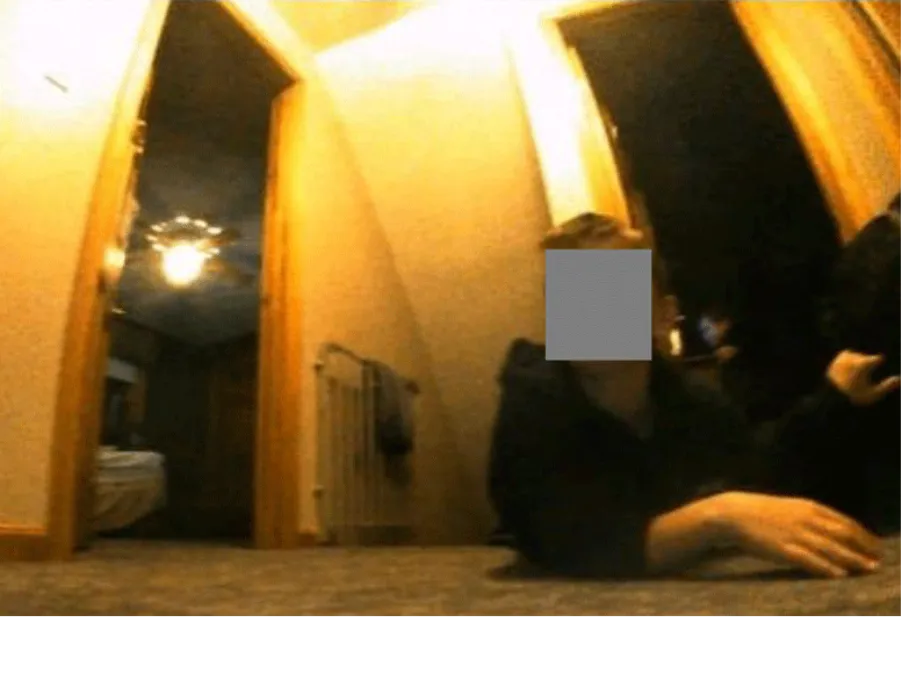
Image from a robot vacuum posted online showing a boy
Many robot vacuums are controlled via smartphone apps, which often require users to create online accounts and connect their devices to home Wi-Fi networks. Poorly secured apps or outdated firmware can open the door to hackers, who might gain access to the vacuum and its camera feeds, or use it as a gateway into other smart devices. The possibility of a malicious actor mapping your home, or eavesdropping your conversations via your own vacuum, is a real concern.
But it’s not just hackers who pose a risk. Manufacturers may collect and analyse data from robot vacuums, sometimes sharing it with third-party advertisers or partners - including those outside of New Zealand’s jurisdiction. Many users remain unaware of the scale of this data collection, as privacy policies are often vague or difficult to navigate.
Security researchers discovered vulnerabilities in the firmware of certain models that could allow hackers to take remote control, access mapping data, or tap into the device’s camera feed. In 2024, these flaws allowed Chinese-made Ecovacs Deebot X2’s robot vacuums to be hacked and give malicious actors access to onboard cameras. Shortly after that, multiple Deebot devices in US cities were remotely hacked, with attackers physically controlling them and using onboard speakers to shout obscenities in the homes where they were deployed.
In February 2026, a software engineer discovered a cloud authorisation flaw affecting nearly 7,000 DJI Romo devices across 24 countries. A server-side validation failure allowed users to access live camera feeds, audio, and floor plans of other people’s vacuums. DJI patched the issue.
In July 2026, a researcher detailed an Amazon Web Services (AWS) IoT (Internet of Things) policy issue affecting certain SharkNinja robot vacuums. This overly permissive cloud setup could have allowed unauthorised commands, home map access, and camera viewing on compatible units. These breaches have highlighted just how much sensitive information these devices can collect, and how valuable and vulnerable that data is.
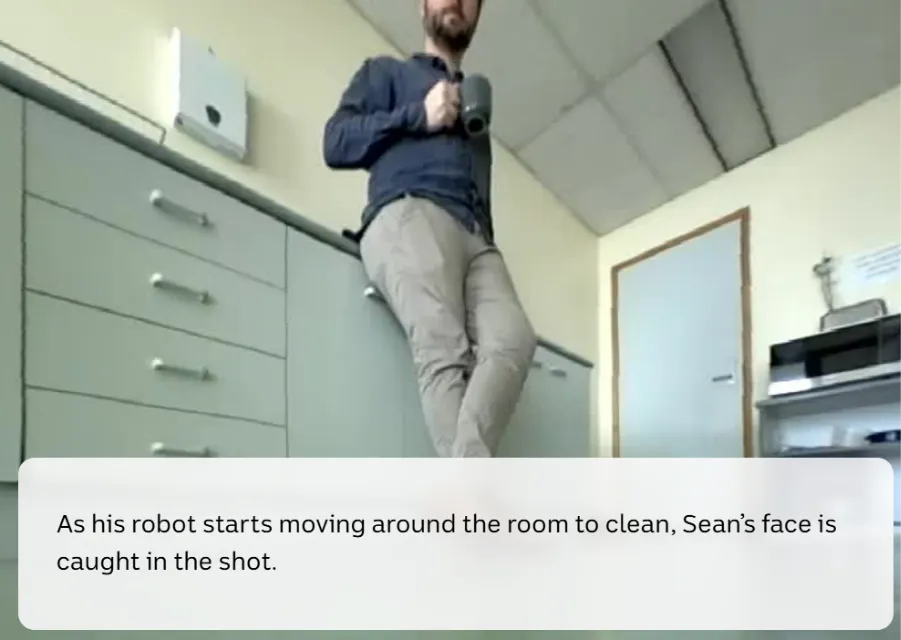
Additionally, a 2021 consumer reports security audit revealed that wi-fi enabled robot vacuums from a major international manufacturer had unencrypted communication channels, making it possible for hackers to intercept data and issue commands. In New Zealand, cybersecurity experts and even consumer nz have cautioned that imported smart devices, including robot vacuums, may not always comply with local privacy and security standards, increasing the risk for consumers.
What about physical safety?
While the spotlight often falls on security and privacy, robot vacuums can also pose unexpected physical risks. There have been several reported cases, both in New Zealand and overseas, where robot vacuums have caused damage to homes, or even to people and pets.
One New Zealand woman successfully claimed $6,000 via the dispute tribunal from a robot vacuum manufacturer for $3,500 of damage caused to her house, due to a failure in its navigation - plus the cost of replacing the vacuum. If she wanted another one…
Some models have failed to recognise staircases, rolling off steps and causing dents in hardwood floors or damaging themselves in the process. In several cases, robot vacuums have startled or run into small pets, causing distress and, in rare instances, minor injuries such as bruised paws or tails. One widely reported case involved a cat’s tail getting caught in a vacuum’s rotating brush, resulting in a trip to the vet.
Pet anxiety is another issue. Some dogs and cats, especially those prone to nervousness, have been observed developing stress behaviours due to the unpredictable movements and noises of robotic cleaners. There are also reports of young children suffering minor toe injuries or getting their fingers pinched after curiosity led them to interact with a running vacuum.
And did I mention they have been known to explode? In July, a 27 year old Perth man was put into an induced coma for 2 weeks after one exploded and set his house on fire, destroying it.
Are they worth it, though?
The marketing of robot vacuums often promises not just cleaner floors, but reclaimed hours and a cost-effective alternative to traditional cleaning. I don’t have one, so I can’t really judge too much. I suspect my toy-strewn floors and overly-aggressive cat don’t bode well for such an experience.
In terms of time savings, robot vacuums seem to be able to handle routine surface cleaning while you do other things. However, these devices typically require regular assistance with emptying dustbins, untangling from cords, and clearing obstacles, which means they may not be as ‘set and forget’ as advertised. Corners, narrow spaces, and stubborn dirt often need manual follow-up. For open-plan or uncluttered homes, I understand the time savings can be significant. In typical homes with more obstacles, the benefit may be less pronounced. It is hard for me not to think at this point that they may work better in homes that are already clean and tidy.
In terms of cost, entry-level robot vacuums range from a few hundred dollars to well over NZ$1,000. While they can reduce the frequency of manual vacuuming, and may prolong the life of carpets by keeping dust levels low, initial costs and potential repair bills, especially in light of damage or malfunctions, can add up. For those with specific needs (like pet hair or allergy control), higher-end models are often required, raising the cost further. In some cases, a traditional vacuum combined with a regular cleaning routine may be just as effective, or more so, for a fraction of the price.
Fun with robo vacuums
I guess it would be remiss to write an article about robot vacuums without mentioning some of the more entertaining encounters. Perhaps the most infamous example of a robot vacuum mishap is the ‘pooptastrophe’, where a robot vacuum rolled through dog poop in the living room, enthusiastically spreading it across carpets, tiles, and even up the skirting boards. There are now several versions of this disaster on the internet, of which this is one:
https://youtube.com/shorts/EDgHkVTZRYk?si=73tkKGJs4vDdnvVU
It would appear that robot vacuums are a bit like having a really dumb pet sometimes. Many owners have found them triumphantly dragging socks, underwear, or shoelaces around the house, only to end up beeping plaintively when hopelessly entangled. Vacuums have also been known to wedge themselves under sofas, behind doors, or in impossible to reach corners, sometimes going missing for hours before sheepishly beeping for help. Stories abound of vacuums that, after a valiant effort, manage only to vacuum the same patch of rug repeatedly, leaving the rest of the house untouched. When programmed to run late at night, some vacuums have startled households by noisily clattering around the kitchen at 3am, or mysteriously opening bedroom doors and ‘greeting’ sleepers with a bump.
A real-life human cleaner won’t do these things, amusing as that would be. And they might actually be better value for money. Think about it.
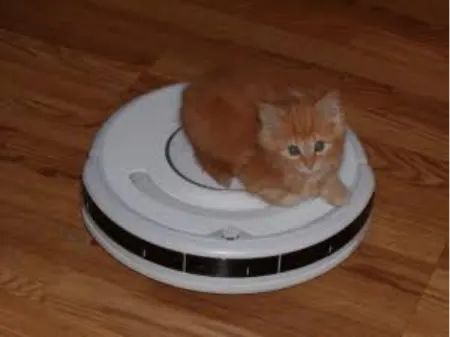
Real pets have been known to wage wars with these machines. In some cases, curious dogs have tried to “herd” or bark at robot vacuums, while some cats have been known to pounce on them or ride them like furry pirates. Social media is also awash with videos of cats calmly riding atop robot vacuums like miniature emperors, taking a leisurely tour of the house while the device diligently cleans beneath them. Oh yes, and sometimes they can escape outdoors…
https://www.youtube.com/shorts/N5hFwplPCy0
How to stay safe
Should you have one of these things, then experts suggest you choose a known brand that has strong security and clear privacy policies - ideally those that store data locally within New Zealand, if you can find one. The other tip is to keep your vacuum’s firmware and app up to date, to address known vulnerabilities.
Also, if you can, limit permissions by disabling unnecessary features, such as cameras or microphones, where possible. Obviously that will depend on the functionality you need. And obviously use a strong, unique password for your wi-fi network, and if you want to be fancy you could consider a separate network for smart home devices.
Me. I think I might just be recruiting the kids to help with the housework. Wish me luck.

Bought a robot vacuum. Accidentally summoned a demon.

Join us in person at