Flow State
Katrina Borthwick - 22nd June 2026
After listening to a podcast which said some people only enter the ‘flow state’ of consciousness a couple of times in their lives, I became a bit curious.
I understood flow state to be when you really get into something and become unaware of time. I feel myself drop into this state an awful lot at work, as well as when doing crafts, housework or gardening, and even writing my newsletter articles. There are many full cups of cold coffee ‘rediscovered’ on my desk in any one week. I thought this was normal. How is it possible that some people don’t experience this regularly?
This led me to a bit of googling, to figure out where the concept of ‘flow state’ has come from. It seems similar concepts go way back, but in terms of western science-based writing, the most cited source is Mihaly Csikszentmihalyi’s writings (pronounced ‘Mee-HAH-ee CHEEK-sent-mee-high’). He passed away in 2001, in his late 80s. His first writings on this topic were in the mid 1970s, and I managed to find a copy of his 2008 book “Flow - the Psychology of Optimal Experience” on audible, so I had a listen.
What is the ‘Flow State’?
Csikszentmihalyi says that happiness is not really the result of external circumstance, but instead comes from achieving a mental state called ‘flow’. This is a state of complete absorption and full focus. People experiencing flow describe intense concentration, a distorted perception of time where hours may feel like minutes, intrinsic enjoyment of the activity, a sense of control and competence, and a merging of action and awareness.
Csikszentmihalyi pulled together the experiences of scientists, athletes and regular people. He says the essential features that make flow state possible are the task being challenging but well matched to the person’s skills, clear goals and immediate feedback. That feedback can be internal, from within our own mind.
His belief is that by deliberately structuring activities, whether they be work, leisure, relationships and/or personal development, people can improve the quality of their life. He describes a mental approach where people working on a factory line, or confined to a prison cell for years, have mentally practised these disciplines and achieved satisfaction despite their circumstance. In other words, our quality of life depends less on what is happening to us, and more on how we direct our attention and consciousness. This is by no means a new concept, but he does set it out in the modern, Western context, and uses modern research techniques.
Some examples of similar thinking from the past are captured in these quotes:
“The happiness of your life depends upon the quality of your thoughts.” - Marcus Aurelius (Roman Emperor, Stoic Philosopher)
“Everything can be taken from a man but one thing: the last of the human freedoms—to choose one’s attitude in any given set of circumstances, to choose one’s way.” - Viktor E. Frankl (Nazi concentration camp survivor)
“It’s not what happens to you, but how you react to it that matters.” - Epictetus (Greek Stoic Philosopher)
“Life can be found only in the present moment. The past is gone, the future is not yet here, and if we do not go back to ourselves in the present moment, we cannot be alive.” - Thich Nhat Hanh (Vietnamese monk, peace activist)
Science research
Since Csikszentmihalyi first proposed ‘flow’ in the mid 1970s, there has been scientific research to determine if it is a real measurable phenomenon and, if so, what causes it. Researchers generally agree on the characteristics I have described above, and that they have been observed in music, surgery, sports, education, gaming, creative work and professional performance.
One central finding is that the challenge-to-skill match matters to a moderate degree. The tasks cannot be too easy, but neither can they be too hard. A major metanalysis of 29 studies found that this, alongside immediate feedback and a sense of control, were strong predictors of the flow state.
Scientists have been trying to understand what is going on in the brain when we enter a flow state. Key factors examined are attention networks, rewards systems, cognitive control processes, brain waves (EEG) and autonomic nervous system activity (e.g. heart rate, arousal). But they haven’t really found a ‘flow circuit’ in the brain and the research findings are inconsistent. A 2024 review in Communications Psychology concluded that there is currently no consensus neurophysiological model of flow and called for more rigorous experimental methods.
Research on learning and performance has had more success showing that people experience flow when they perceive themselves as making learning progress, not simply that the task matches their skills level. The feeling of improvement may help sustain engagement with activities. The strongest findings show that reported ‘flow’ is associated with better learning, higher performance, greater persistence, increased creativity and greater enjoyment of difficult tasks.
In workplaces and education, the experience of flow correlates with better engagement, performance, job satisfaction and lower risk of burnout. Seeing new challenges as opportunities instead of threats can make a huge difference in how they are experienced. Perhaps a tip for employers - flow is harder to reach if there are frequent interruptions, unclear goals or limited autonomy. That includes electronic interruptions, so modern workplaces with ‘always on’ email notifications and messaging are not great places to generate flow. Although there is not usually a rule that email and messaging applications are always open on desktops - this is how the majority of people work, and I have noticed an increasing awareness of whether people are showing as ‘active’ online.
So the current consensus is that flow exists either as a separate state, or perhaps just a combination of concentration, motivation and enjoyment. But we still don’t really understand what exactly is happening in the brain when we experience flow, or what ingredients are essential to this experience. Is it the challenge-skills balance, intrinsic motivation, progress in learning, or clear goals and feedback? Added to this, there are challenges reproducing this effect in a laboratory environment. Do you think you could enter it if you were in a lab?

Pseudoscience emerging
There is a whole lot of popular self-help material arising from the concept of ‘flow’. Some of it is reasonable, and a heap of it has drifted into pseudoscience. Much of it starts with the outcome sought - for example being 500% more productive. Often ideas are presented as a sort of shortcut or ‘hack’ to improve performance. But this is not the way Csikszentmihalyi envisaged the concept of flow being used at all.
Csikszentmihalyi didn’t see the ‘outcome’ as important at all to satisfaction, but rather it is the experience of being ‘in flow’ that is of value. Some of the other self-help writings sell the concept of ‘switching on the flow’ experience at will. The reality is that nothing will work in all contexts. Digging down into the ‘research’ supporting some of these claims shows very limited studies that have questionable outcomes that are overstated.
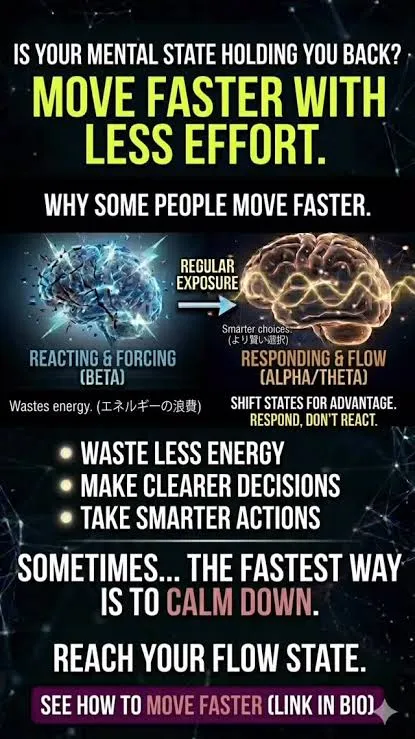
Another emerging pseudoscience is that of ‘brain optimisation’. If you come across this you will see statements like ‘rewire your neural pathways’, ‘activate your gamma waves’, or ‘unlock your brain’s superstate’. To be clear, there is no consensus on any type of brain signature for the ‘flow state’. So it follows that any techniques trying to say they can induce this state aren’t based on anything that can be measured, and so it is impossible for them to be supported by strong evidence.
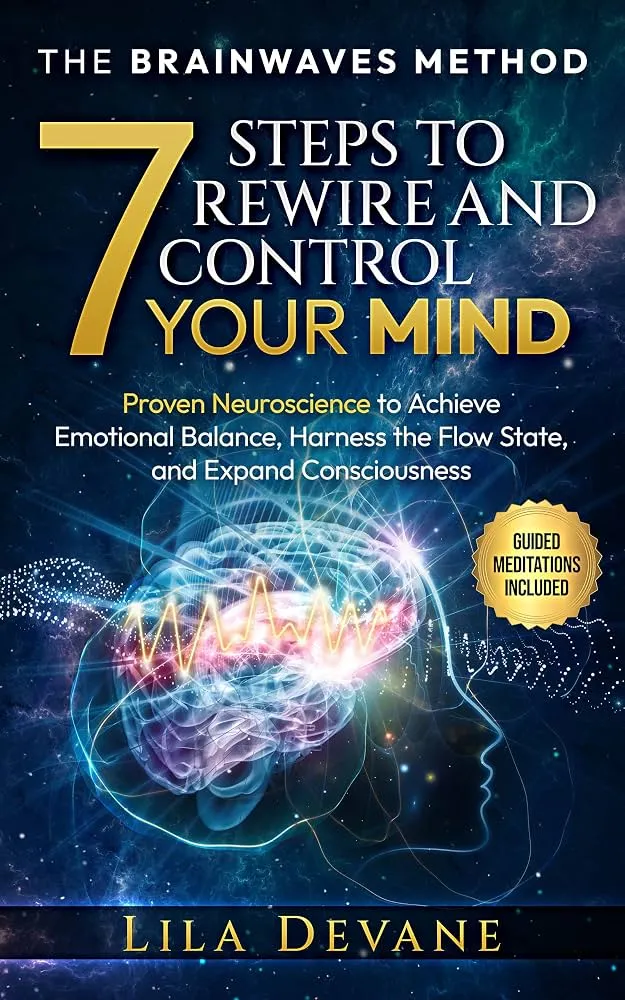
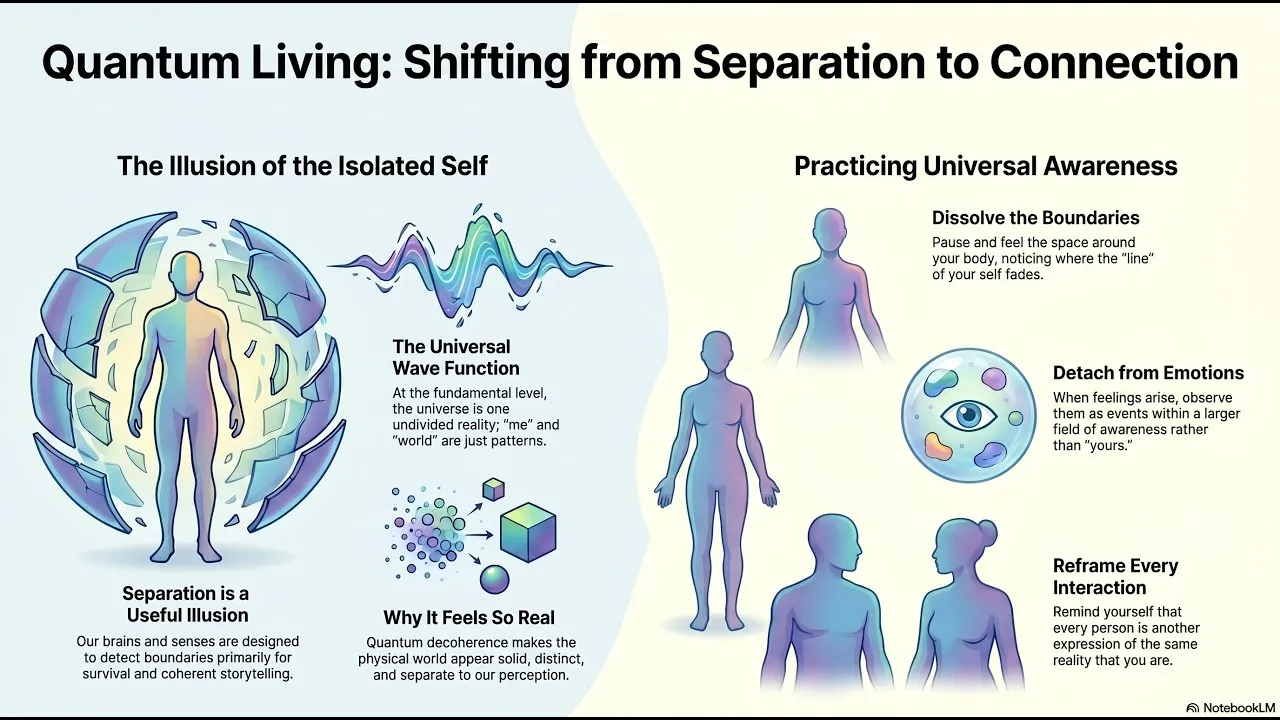
Some don’t even try to be ‘sciencey’, and instead invoke a mystical or spiritual force. Expect to see references to accessing a universal or quantum consciousness, communication with higher dimensions, or even a gateway to accessing psychic abilities.
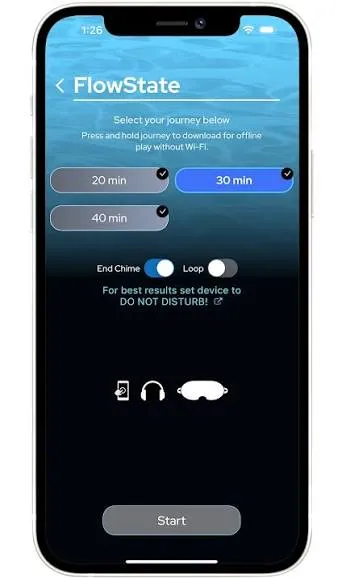
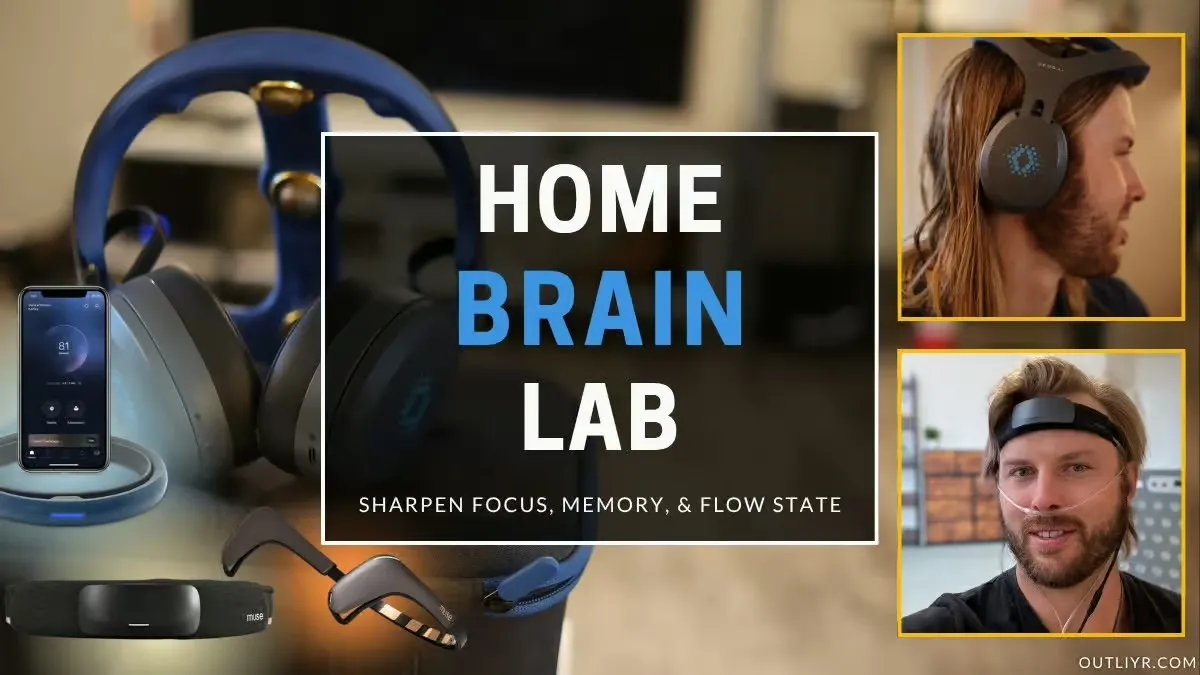
In an effort to cash in there are products on the market that claim to induce flow through special audio frequencies, binaural beats (which Mark has written about), neurofeedback devices and wearable ‘brain stimulators’. Some of these can cause relaxation, but there is no scientific evidence that they reliably produce a flow state.
There are communities online that are looking to increase the flow experience by taking cold plunges, nootropic stacks, supplements or hormones, and microdosing psychedelics. Some of these interventions will affect your mood, attention or arousal but, again, there is no scientific evidence that they induce the flow state in a reliable way, or to the degree promoted.
Flow state is a perfect target for pseudoscience as it is a real thing, but it is super subjective to be reliant on self-reporting. There is currently no way of measuring someone’s brain activity and determining if they are in flow. Added to this, it just feels great to experience and it’s something that people desire - whether it be to achieve effortless superhuman performance, or to have transformative mystical experiences.
Do some people hardly ever enter a flow state?
So, coming back to my initial pondering, is it true that some people hardly ever enter the flow state? I put this on par with me learning that not everyone has an ‘inner voice’ monologuing in their head, or how some people can’t see certain colours. It just sounds too weird to me.
Well, it turns out that the research suggests that some people experience flow frequently, while others rarely experience it at all. People who experience it less often have high distractability, low intrinsic motivation, low perceived competence, environments causing frequent interruption, or they are chronically bored.
This raises the question of how Attention Deficit Hyperactivity Disorder (ADHD) might impact on the frequency of flow. People with ADHD experience both more difficulty in attention in general, but also episodes of ‘hyperfocus’ that can look like, or even overlap with, the experience of flow. It’s unclear to what degree ‘hyperfocus’ and flow are similar, but they are not the same. Hyperfocus activities may not have a learning element. Also hyperfocus in ADHD can happen around activities that the person engaged in really doesn’t care about, whereas with flow there is usually interest and engagement in the task. This is a good short explanation (with a few swears):
https://www.youtube.com/shorts/4vCvCPe7Eqk
Csikszentmihalyi identifies what he calls an ‘autotelic personality’, being people who naturally seek challenge, curiosity, learning and engagement for their own sake. These people tend to seek out activities that produce flow, and this persists through difficulty and they experience flow more often. He says that it is possible to arrange our lives to experience more flow regardless of circumstance, and with practice we can get better at concentrating for longer periods, ignoring distractions, tolerating challenges and recognising when we are in deep engagement.
I wrote half of his article in the cafe across the road while my daughter was in dance class. It felt like 10 minutes, but the very cold coffee when my alarm went off proved me wrong - her class lasts an hour. I wrote the other half of this article after the kids went to bed tonight. I thought I had been at it for 15 minutes - I was off by an hour. I left the fan heater next to me on, I’m so hot. The spell is now broken, and I need to go!
Tags: flow, people, state, experience, newsletter