Sugar Feeds Cancer?
Mark Honeychurch - 30th March 2026
Last week I was in the pub having a few drinks with a friend, and in the middle of a particularly heavy part of the conversation he mentioned how it’s common knowledge that sugar feeds cancer. This statement is a common alt-med claim that comes along with the idea that if you have cancer you can treat it by reducing your sugar intake, starving the cancer cells of energy.
I had a fairly visceral reaction to hearing this, and told my friend that I was pretty sure it was nonsense. However I qualified my instant skepticism by telling him that I’d have to double-check that there’s no nugget of scientific truth behind this idea.
Sure enough, when I started looking into this a few days later, the top Google hits for the search term “sugar feeds cancer” all spoke with the same voice - no, sugar does not feed cancer, and starving the body of sugar won’t help with treating cancer. The list of reputable organisations making these claims was good to see - Cancer Research UK, Stanford Medicine, the Cancer Council Australia, the National Breast Cancer Foundation, and the Mayo Clinic were all on the first page of my results.
The advice given on these pages is broadly in agreement. Technically sugar does feed cancer cells, but this is just because sugar is used as a fuel in all the cells in our body. I’m sure everybody knows that cancer cells are just cells that have accumulated a set of mutations that, combined, cause the cells to go rogue and keep making copies of themselves, ignoring the body’s messages to stop. So of course these cells consume sugars as a source of energy to keep living and dividing. But, because all our other cells also need energy, cutting out sugar won’t just affect the cancerous cells. If the body’s getting enough energy to survive, the cancer cells are also getting enough energy to keep going as well.
As an aside, because cancer cells are always actively making copies of themselves, they do consume more sugar than other parts of the body. This fact is used in PET (Positron Emission Tomography) scans to detect and locate cancer, by adding a glucose-based radioactive tracer to the body that will accumulate at the site of tumours and that will then show up in the scan.
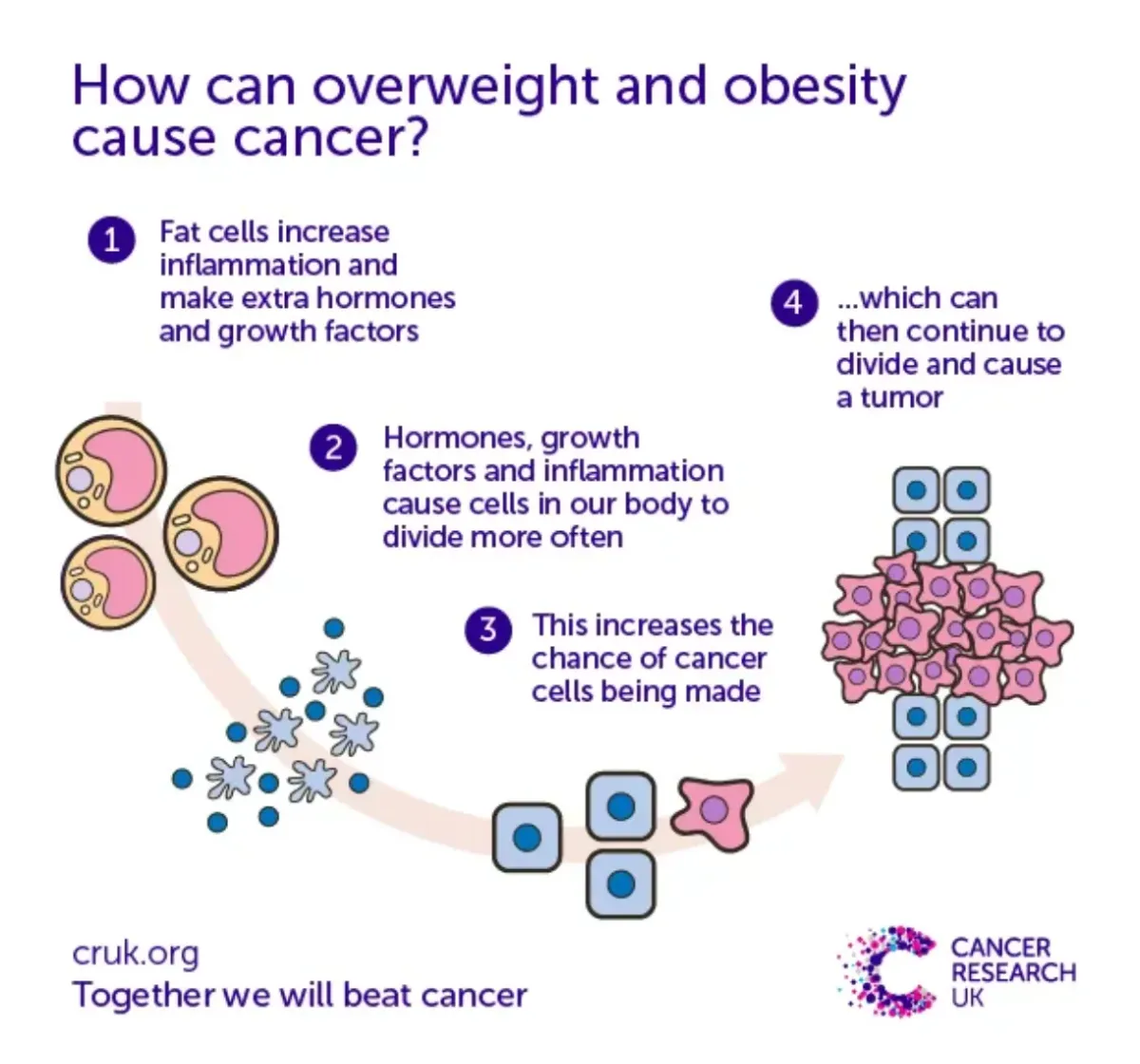
What’s interesting is that sugar can indirectly be a cause of cancer, as there is some link between weight gain and increased cancer risk. So, although cutting out sugar might not help if you already have cancer, reducing sugar intake (as well as taking other sensible measures to curb weight gain) is helpful as a preventative measure.
There were also some decent quotes on these pages that spoke plainly about this claim:
There’s no evidence that following a “sugar-free” diet lowers the risk of getting cancer, or that it boosts the chances of surviving if you are diagnosed.
Giving more sugar to cancer cells doesn’t make them grow faster. And keeping sugar from cancer cells doesn’t make them grow more slowly.
The phrase ‘Sugar feeds cancer’ is a dangerous statement. It switches people’s anxiety on and sets them up for misinformation and panic.
The one outlier in my first page of Google’s search results was Precision Wellbeing, a New Zealand clinic run by Tamara O’Dwyer who has, in her own words:
“focussed on cancer nutrition and integrative oncology. I have become an expert regarding the Metabolic Theory of Cancer and its application.”
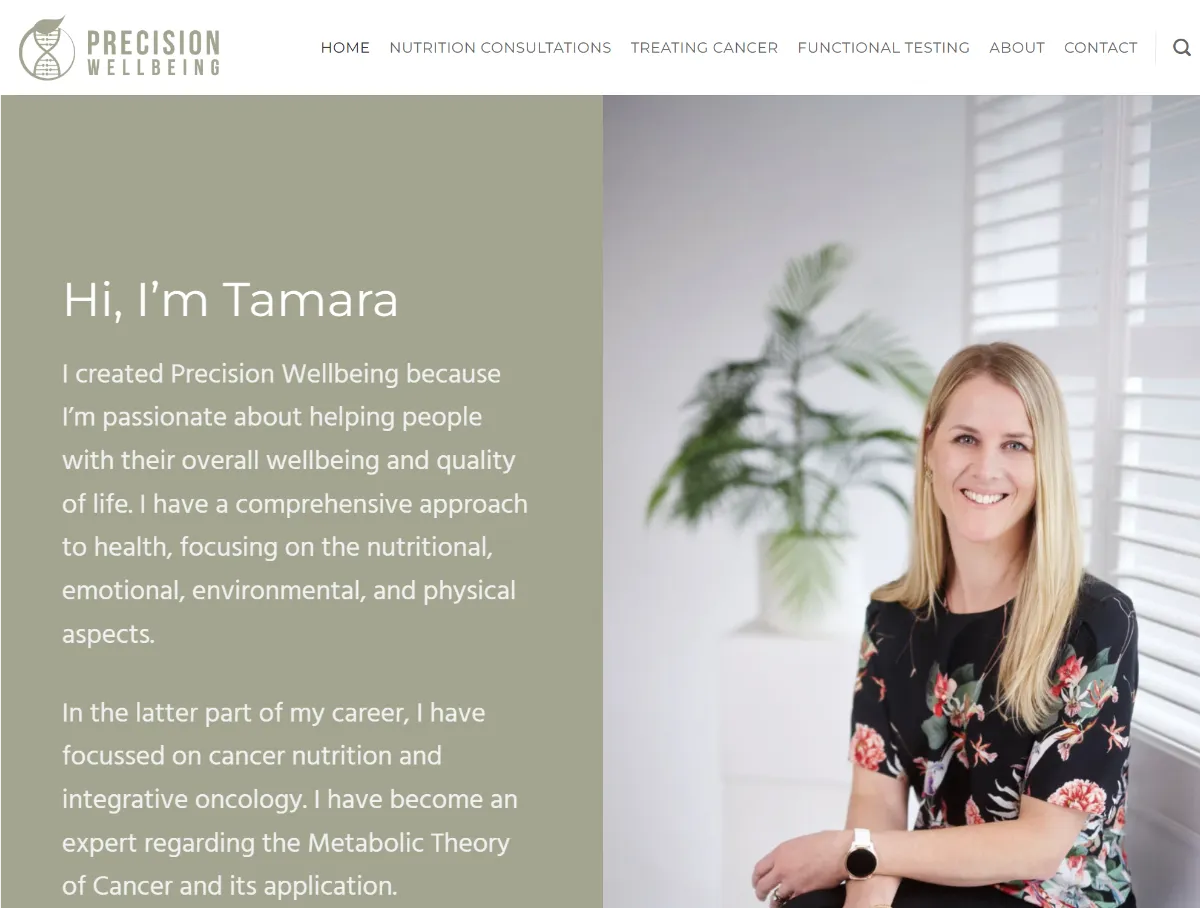
This one-woman clinic gave me the first hint of the answer to a question I had bouncing around in my head; where did the idea that cancer can be treated by limiting sugar intake come from? On the “How does sugar/glucose feed cancer cells?”, Tamara expands on the Metabolic Theory of Cancer, saying:
Most of us know that too much sugar isn’t great for our health, especially when it comes to conditions like cancer. But behind this simple advice lies some fascinating science about how and why cancer cells actually ‘prefer’ sugar and how they use it to grow and spread.
It’s more than just a matter of eating too much sweet stuff; it’s about how cancer cells have adapted to hijack our body’s natural processes to their advantage. Let’s explore how this works, what scientists have discovered over the years, and what it means for us to reduce sugar in our diets.
The story starts with Otto Warburg, a scientist from Germany who, in the 1920s, made a revolutionary discovery. He noticed that cancer cells generate their energy differently from normal cells.
Normally, healthy cells use oxygen to produce energy very efficiently. But cancer cells prefer a much quicker, less efficient process called glycolysis—even when oxygen is plentiful.
This was unusual. Warburg believed that cancer cells have damaged mitochondria—the parts of cells that produce energy in the most efficient way. But later research showed it’s more a case of cancer cells choosing this ‘faster’ route to get the energy they need quickly while also creating the building blocks they need for rapid growth.
…
Thanks to Otto Warburg’s pioneering research, we now understand that cancer cells have a ‘sweet tooth’—they overproduce insulin receptors and glucose transporters to soak up as much sugar as possible. This gives them the energy and materials needed to grow rapidly and survive in tough conditions.
By decreasing our intake of sugar and refined carbs, we can starve these cells of their favourite fuel and make it harder for them to grow.
Thankfully an article in Scientific American explains why these claims are outdated at best:
The predilection of cancer cells toward this “anaerobic” respiration is known as the Warburg effect. When German medical scientist Otto Warburg discovered it in 1924, he suggested this switch to glycolysis might drive cancer. We now know the shift stems from the mutations that lead to cancer, rendering it a consequence rather than a cause.
Dietary evangelists, however, seem to have missed the past century of cancer research. Although tumor cells disproportionately consume glucose, you cannot “starve” cancer by avoiding carbohydrates. That’s because normal aerobic respiration also needs glucose—and without it the patient simply ends up starving. Nor does your body especially care whether the source of that initial glucose is a carrot or carrot cake. The major risk with restrictive diets in cancer is that they may result in weight loss that is unsafe without guidance from an oncology dietitian.
So, if my friend ends up reading this article, and for anyone else who’s wondering if they should be recommending that people with cancer try to give up eating sugary foods, it seems that the best time to stop eating sugary foods is not after receiving a cancer diagnosis. In reality it’s good advice for reducing cancer risk for anyone who’s overweight, regardless of whether you have cancer or not.
I’m writing this while sitting in my living room and snacking on a bar of Cadbury Dream Lemon Slices chocolate, so I realise that I’m not the best person to be giving this advice. But thankfully there are real experts out there who are saying this, and the people who are perpetuating the myth that “sugar feeds cancer” appear to be spreading nonsensical advice.
While we’re talking about chocolate… on a more practical note, from what I understand having cancer is a real bummer. To have a bad time made worse by not being able to eat chocolate seems like a case of adding insult to injury - especially given that, if the experts are right (and they usually are), the sacrifice will be made in vain.