Sea level much higher than assumed in most coastal hazard assessments
Patrick Medlicott - 16th March 2026
Apart from the war in Iran, which of course has dominated everything over the week, there has been some interesting news on the climate - albeit rather disturbing for New Zealand and the Pacific.
On 4 March, an article was published in Nature magazine, which is open access. (Nature is, of course, a well-respected and peer-reviewed scientific journal).
The title is: Sea level much higher than assumed in most coastal hazard assessments.
The authors are Katharina Seeger from the Netherlands, and Philip SJ Minderhoud from the same group (the Soil Geography and Landscape group, at Wageningen University).
The article suggests strongly that our assessments of potential sea-level rise over the next 60 or so years until 2021 have been significantly underestimated - especially in our part of the world. The article shows that more than 99% of the evaluated impact assessments of sea level and land elevation data is inadequate, thereby misjudging sea-level rise relative to coastal elevation. Their meta-analysis of previous articles shows the measurement was underestimating the problem, especially in the global South (us). Potentially the difference could be up to a metre of sea level rise. This is obviously of significant relevance to the Pacific Islands, which are already under threat, and also to New Zealand and its people who like to live on the coast.
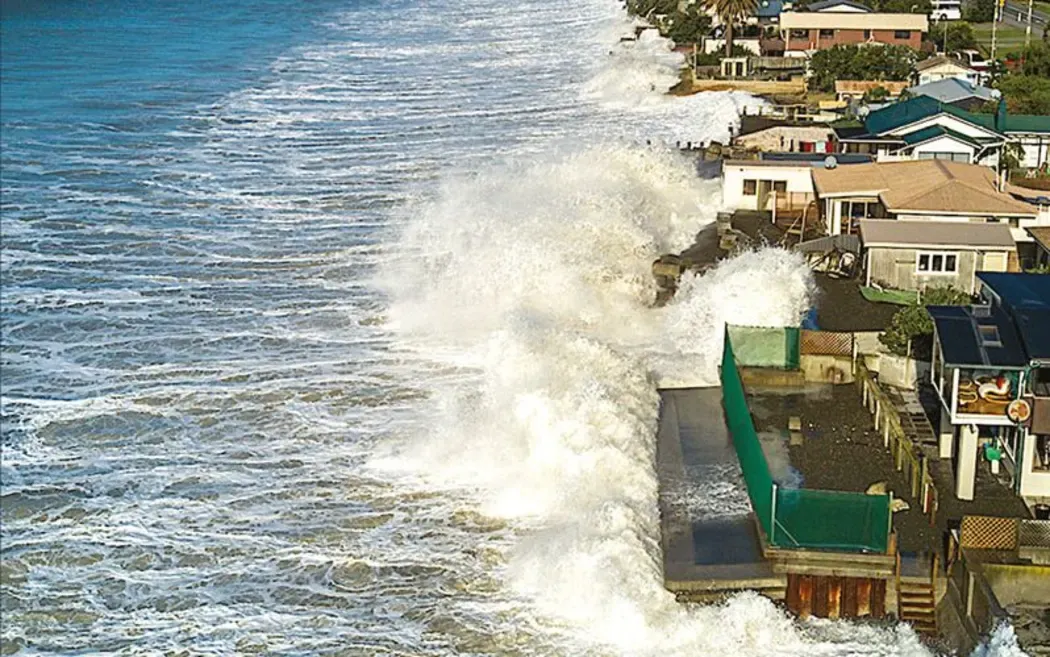
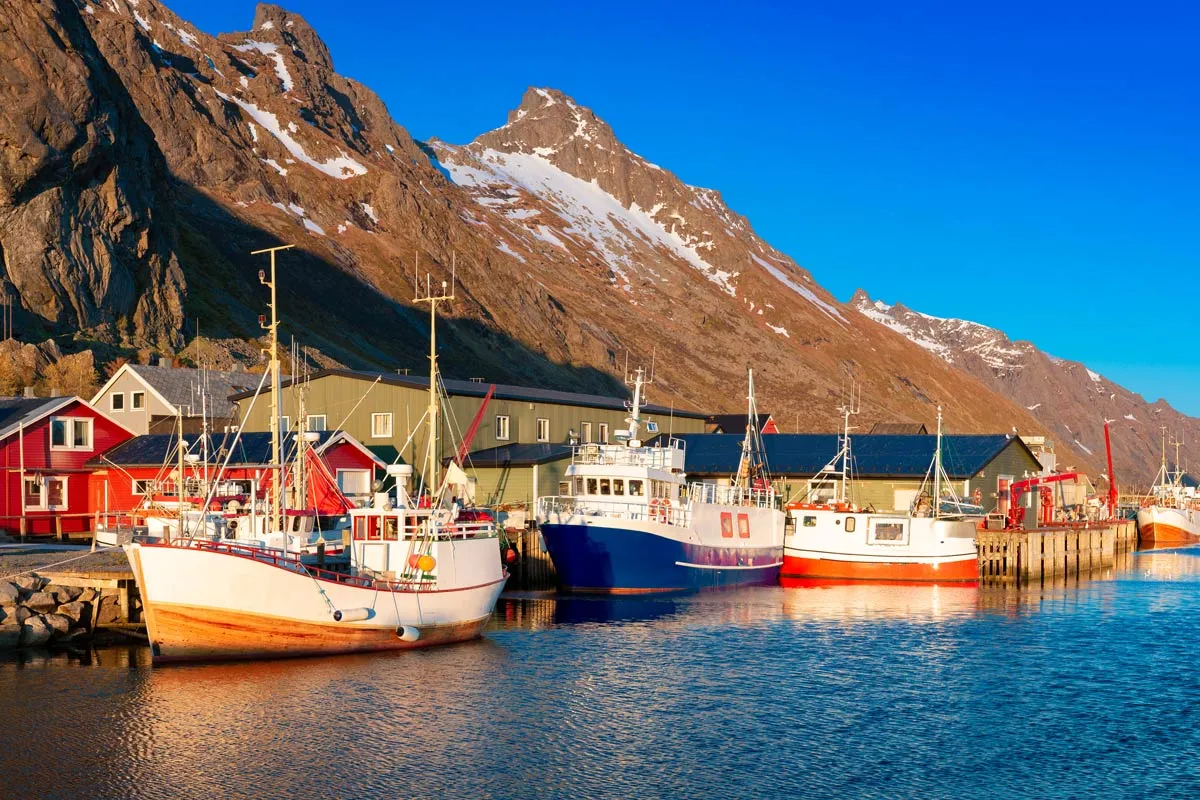
I would also note in passing, from the Guardian, that the Norwegian fishing fleet has received a Blue Star rating for “sustainability” while they continue to “hoover up” the basis of the Antarctic food chain (Krill) to be used as fertiliser and stock food. Without being pejorative, I personally believe this is absolute hypocrisy by a nation supposedly leading the world in climate change mitigation.
Zeke Hausfather, from The Climate Brink (a respected climate blog), has also recently published in their newsletter that the amount being spent on fossil fuels worldwide was likely to be less than that spent on renewable energy for the first time in history. Unfortunately he said that he had reviewed the figures and, with the latest war in Iran, we are still going to have to wait probably till next year - unless of course Armageddon arrives before them.
The recent war in the Middle East, with this disruption of supply chains and liquefied gas supplies from Qatar, has reinforced the culpable stupidity of establishing a liquefied natural gas installation in New Zealand.
What has happened simply shows how dependent we are on fossil fuels. If the politicians had listened to the scientists for the last 20 years, we could have avoided this shock and shown the world the way to avoid dependence on fossil fuels. Instead, New Zealand has continued its self-destructive path.
I would recommend to your readers to investigate “Rewiring Aotearoa” by Mike Casey. This is an online site which has been going for some years in New Zealand. Mike Casey is a New Zealander who worked in finance in Australia, then returned to New Zealand to establish a cherry orchard in central Otago. This orchard is totally electrified, and all machinery is powered by electricity. There are no fossil fuels used, and he makes a significant return from selling surplus electricity to the grid. This can be done without liquefied natural gas or other fossil fuels.
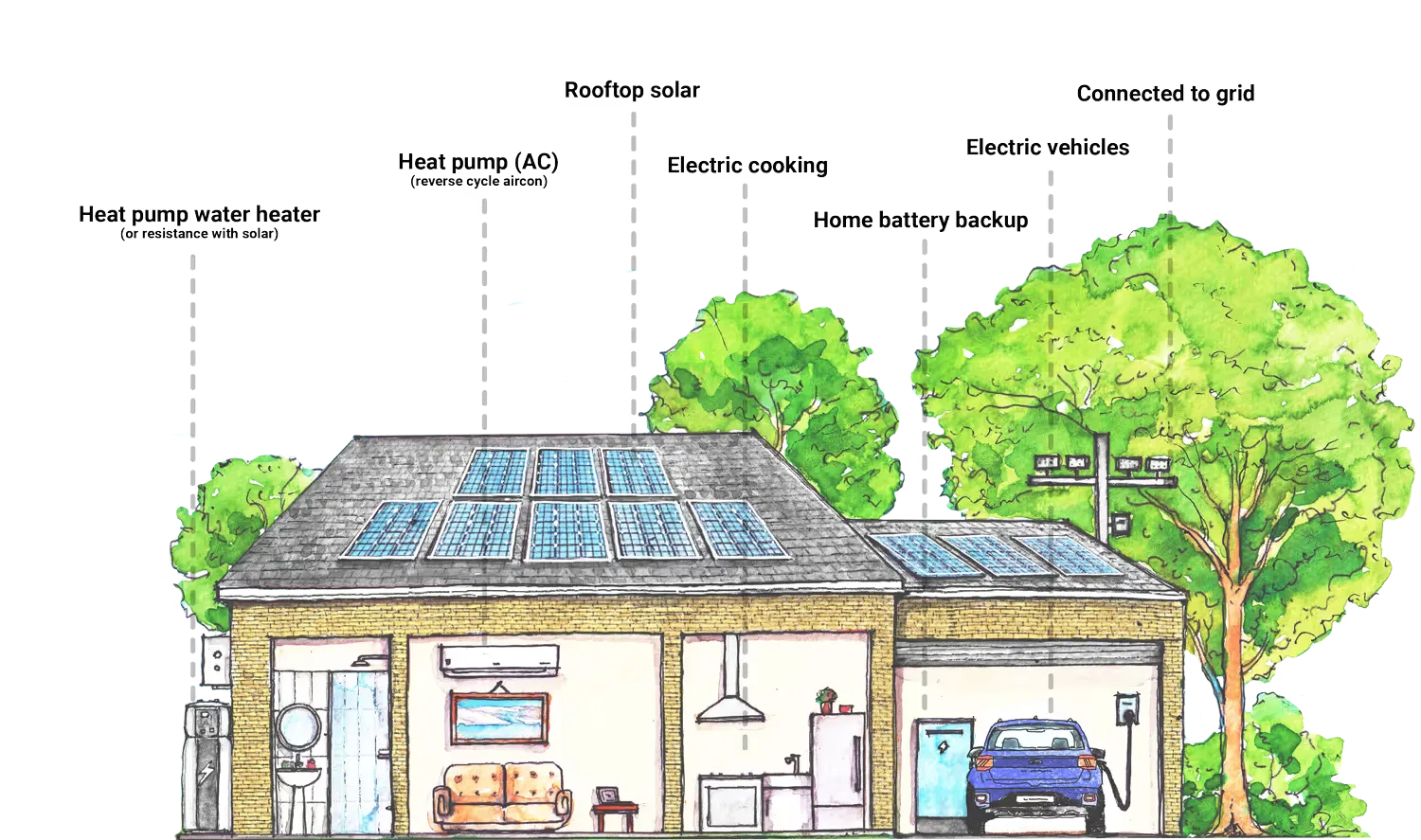
The energy efficiency and conservation authority (EECA) is now operating with him on multiple projects to electrify Queenstown, and also investigating how electric vehicle to grid transfer can help with energy management New Zealand wide in the future. Last century Thomas Edison, the famous American inventor, stated “I’d put my money on the sun and solar energy. What a source of power! I hope we don’t have to wait until all oil and coal run out before we tackle that”.