Pumped hydro storage
Patrick Medlicott - 2nd March 2026
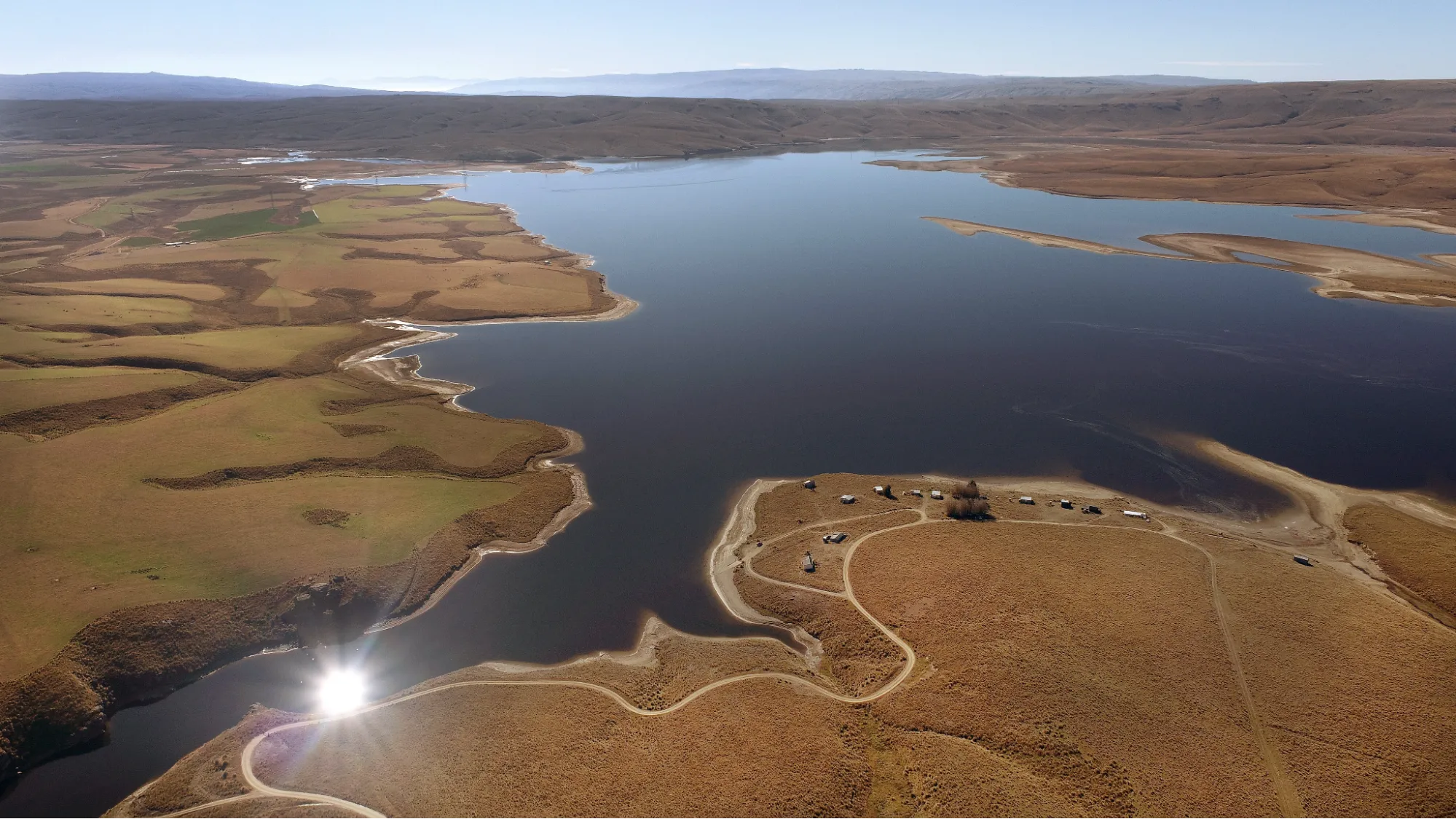
You probably remember a previous scheme for pumped hydro at Lake Onslow in central Otago, which was postulated by the previous government as being perhaps useful in New Zealand’s low lake level dry years.
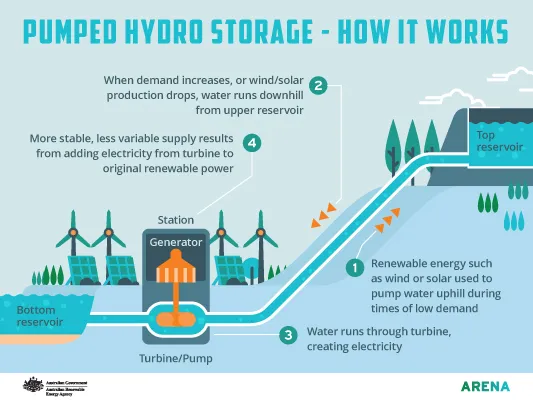
The principle is that water is pumped uphill into a lake when energy is cheap, and then when it is needed the water is released and turns turbines at the bottom of the slope to produce electricity. There are several projects in the world already doing this.
Our present coalition government however decided that it would be too expensive, and getting the produced electricity to where it was needed was deemed too troublesome. Instead, they have decided in their wisdom to either find more New Zealand gas (which is unlikely) or bring in liquefied natural gas to reticulate around the present system. Natural gas is a misnomer. It is not natural, and releases significant carbon dioxide into the atmosphere. The name Natural gas was originally used to differentiate it from the coal gas some of us will remember from our childhoods.
Gas has significant health problems with pollutants and respiratory effects on health. It is unnecessary for cooking and heating, as modern heat pump hot water systems and induction for cooking do not pollute the atmosphere in the home, or add to the CO2 load. Obviously there needs to be a transition, but not in my opinion through more “Natural” gas.
Last week there was a report in the Guardian of a pilot project in the UK partly funded by the government. Instead of pumping water up a large distance to give the energy (“head”), it uses a fluid which is 2.5 times denser than water. This is a mineral-rich fluid which apparently does not lead to significant amounts of greenhouse gases in its production, and is non-toxic. The company is called RheEnergise, and it has just completed a project near Plymouth in the UK and produced their first electricity. I spent some time on the web looking at their website, and the team has more PhD’s than you can shake a stick at.
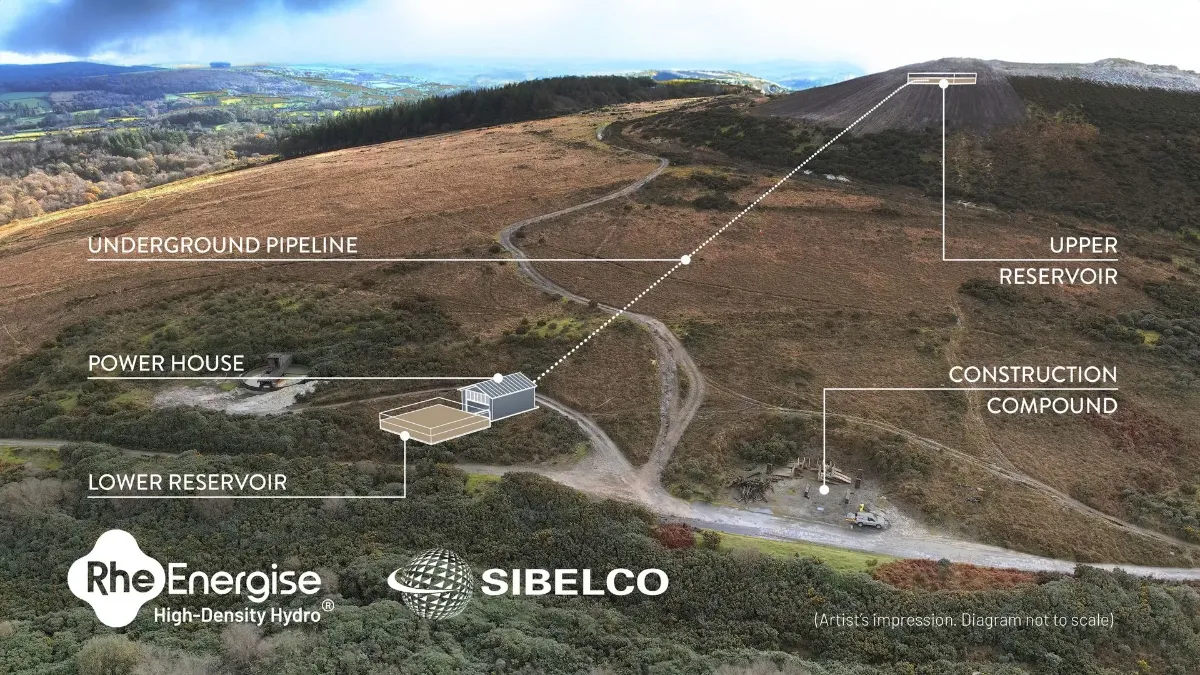
The interesting thing about using a much denser fluid than water is that you do not need to pump it up a long way, and therefore it can be made on a smaller scale using a hill for the “head” rather than a mountain. Their team has successfully produced electricity from a small pilot project near Plymouth in the UK. Whether this is scalable to larger projects, and of course financially sustainable, will be figured out in the future, but for now it might allow multiple smaller projects closer to consumers to bridge the energy gap. Green technology is advancing rapidly, and solving problems without having to revert to fossil fuels should be a default position.