Medical Marijuana and Mushroom Mania
Bronwyn Rideout - 2nd March 2026
In 2024, Mark, Katrina, and I went to the Wellington Go Green Expo. We’ve talked about this event on the podcast before, and back then Mark had commented on the quantity of mushroom-based products. His hypothesis at the time was that this burgeoning industry might be due to the unsuccessful campaign to legalise recreational marijuana use in late 2020 - any company that had hoped to take advantage of the anticipated boom in cannabis sales needed a quick, low-cost pivot. Now, I’m always game to go on the deep dive necessary to prove/disprove other people’s pet theories. Mushroom coffees, chocolate, and supplements have escaped the containment of your local health food/organic store, and the encroachment of mushroom crisps/chips into the aisles to mainstream grocery stores has made this topic feel more salient than it has ever been.
(Unfortunately, we don’t have pictures from our 2024 visit, but here are examples from the Go Green Expo Facebook page from the year we attended)
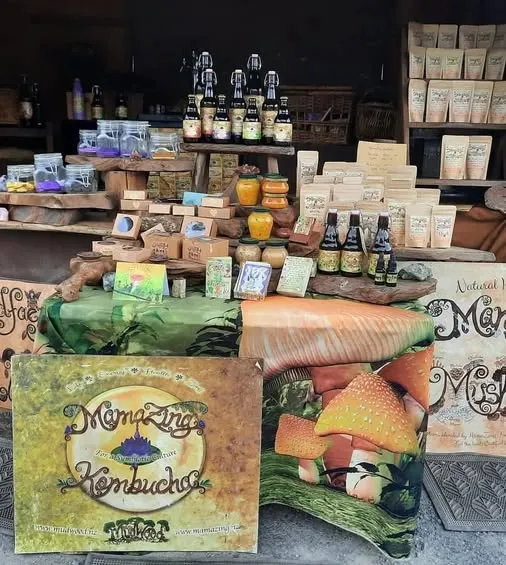
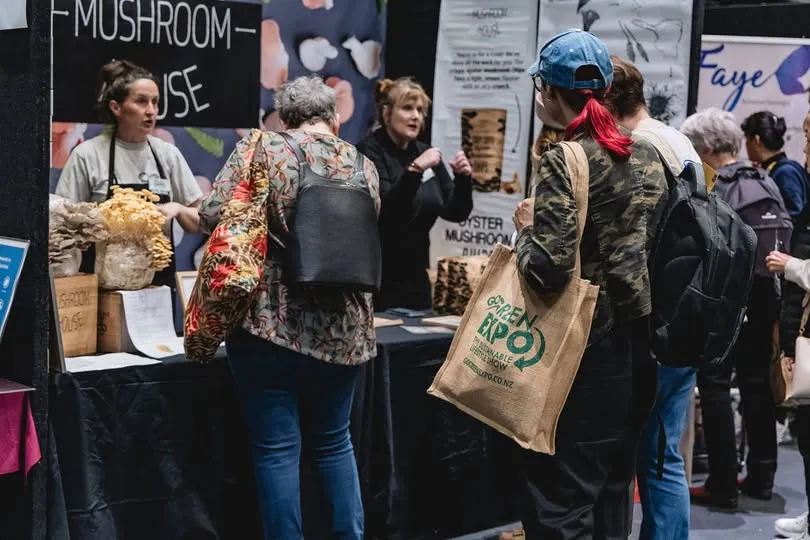
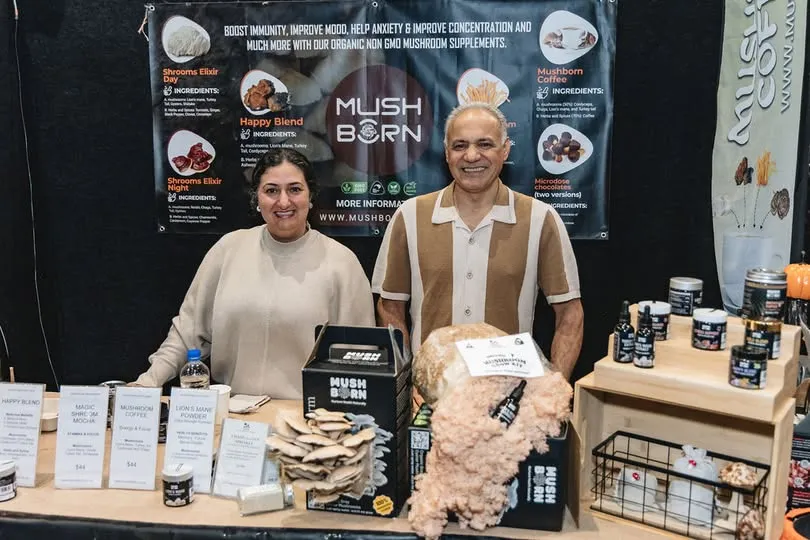
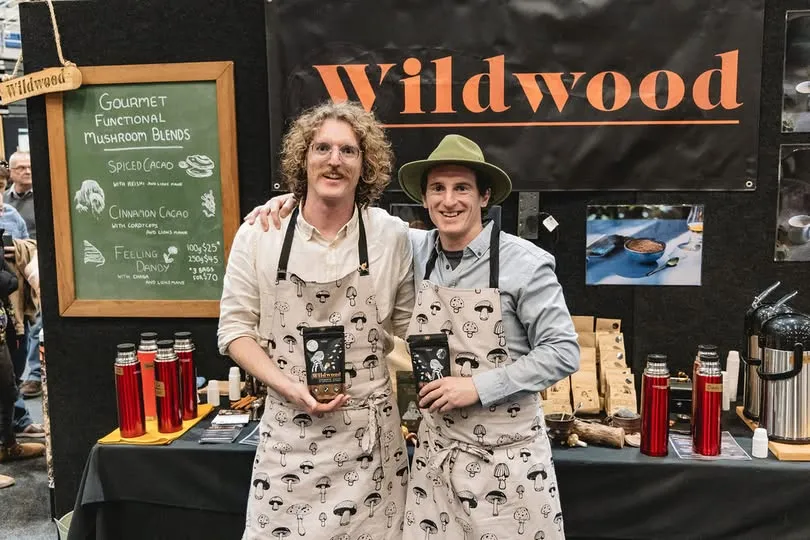
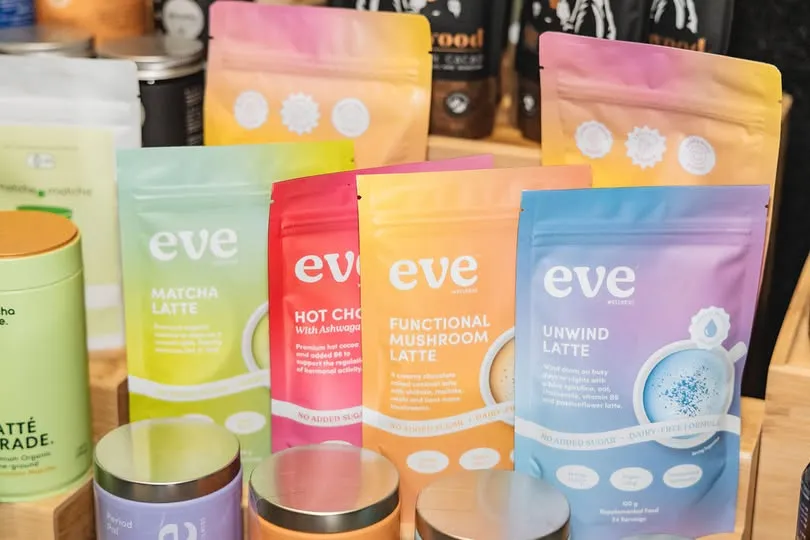
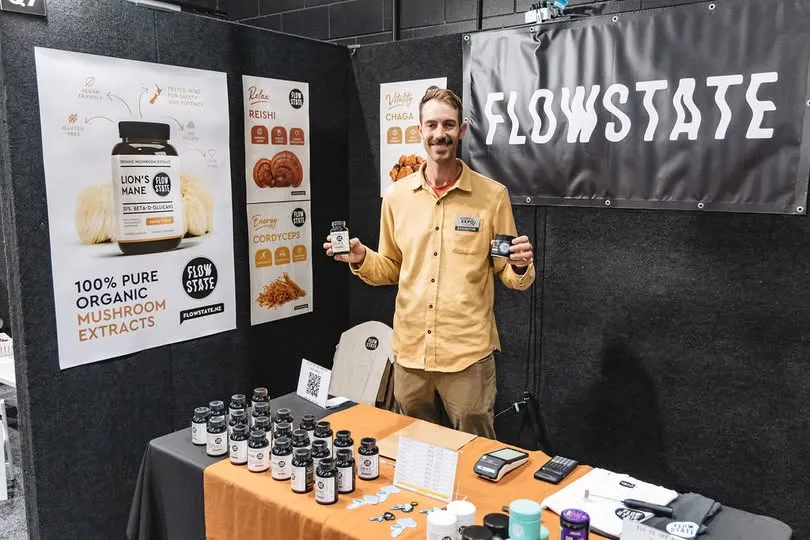
Flowstate - To their credit, they are honest in their advertising about the type of Lion’s mane they are using
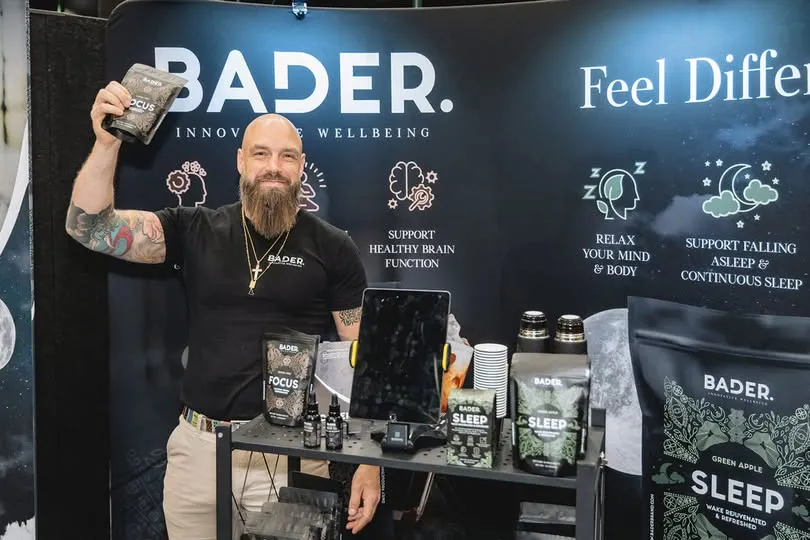
Bader - Image from 2025, but they were present in 2024. The Focus drink mix includes Lion’s Mane
At first blush, it’s a theory with legs. Similar equipment is used, but the required environmental settings (Co2, humidity) are different. Hobbyists do grow both, but the advice is mixed. Some are able to successfully manage the symbiotic relationship the two plants have around CO2 through the use of lung rooms and filtration systems, while others advise having separate tents. Not all fungi is good fungi, as both plants are vulnerable to contamination from trichoderma, or green mould disease. That said, CO2 mushroom bags are used in cannabis cultivation even when there is no attached mushroom farm.
Medicinal Marijuana
As for the question of whether there was an industrial-scale pivot from cannabis to mushrooms, I was unable to find evidence of that. But I did find that there are mixed reports regarding the state of New Zealand’s medical marijuana industry. Just a couple of weeks ago, RNZ reported that Puro New Zealand (operating since 2018) was about to harvest its largest crops, with plans to expand production. However, New Zealander Grayson Hart’s Pure Sport, a sports nutrition company operating in Europe that also distributed CBD oil in New Zealand, announced in April 2025 its plans to pivot away from cannabis products due to stricter regulations overseas.
There is also evidence of longevity. A Stuff article in 2019 named three domestic companies that were preparing for a boom in production: Cannasouth, Helius Therapeutics, and Hikurangi Cannabis Company. Two of those companies, Helius and Hikurangi (now operating as Rua Bioscience) are among the 42 domestic companies with a licence to cultivate, manufacture, or supply medical cannabis. Rua Bioscience, which still produces medical marijuana, has actually moved into the medical magic mushy biz by receiving the first licence for Psilocybe cultivation in NZ in October 2025. The Government had approved the prescription of medicinal Psilocybin in June 2025, but only by an experienced psychiatrist for the purpose of treating treatment-resistant depression. Cannasouth, which had an optimistic start with a $10 million share offer, entered into administration in March 2024. Although the company had sold $1 million in medicinal cannabis products over the previous 6 months and had merged with another cannabis company called Equalis in 2023, there was a $5 million funding gap.
However, in May and July 2025, Alka Prasad for The Post and John Weekes for The New Zealand Herald both reported on the struggles the medicinal cannabis industry faced. Besides the loss of Cannasouth and Equalis, Aether Pacific Pharmaceuticals entered liquidation and Greenfern went into receivership. Aether’s leftover product was shredded, mixed with cat litter, and dyed in order to make it unusable. Amongst the complaints were barriers with getting a prescription from the GP, lower costs, and better access from local networks (like Northland’s famous green fairy Paul Smith), as well as a lack of good quality evidence to support cannabis-based medicines. Prasad’s article centred on Medsafe’s new, stricter advertising guidelines for medicinal cannabis. As of May 2025, Prasad wrote:
“…clinics can’t say they advertise THC or CBD products, can’t distribute educational materials about medicinal cannabis, can’t display signage, symbols or logos that suggest a clinic supplies cannabis - which may require some to change their names - and suppliers are limited in what they can let practitioners know about them”
Businesses could face penalties up to $100,000 or up to six months in prison for referring to health research or providing information on products approved by the Ministry of Health. Health practitioners/prescribers have more freedom to discuss available products in the name of informed consent, but patients are not allowed to self-select from a list of products.
Despite the tumult, the medicinal marijuana industry is still here. What that may entail for the legalisation of recreational marijuana is anyone’s guess, and will likely be a question that will arise in the upcoming election.
Mushroom Madness
Back at the Go Green Expo, what we definitely saw was evidence of mushrooms carving out substantial space in the superfood market. If it wasn’t dehydrated shitake and oyster mushroom as a crisp/chip replacement, it was Lion’s Mane in your coffee as a focus improver. To be honest, it appears the Skeptics were a bit behind the curve in identifying this trend. Mushrooms have become the “it” product in terms of food, fun, and function. The New York Times had named it ingredient of the year in 2022, possibly spurred on by the renewed interest in psychedelic therapies, including a simultaneous rise in the practice of biohacking/microdosing, and the perception that mushrooms are safer than other substances. One suggestion was that the lockdowns pushed people to experiment with mushrooms in their diet and to grow their own at home (or that it had made them captive audiences to the 2019 documentary Fantastic Fungi). Mushrooms, both in their psychedelic properties and their connection to the outdoors, may have further fueled a collective nostalgia for living a life outside of a contact-less bubble. Mushrooms have long been promoted as a meat substitute, and unusual weather conditions in the US in 2023 led to surplus crops that needed to be dealt with. There was also a brief mushroom decor trend that coincided with the popularity of the cottagecore aesthetic.
Lion’s Mane (Hericium erinaceus) has drawn particular attention in recent years. It has long been used in Chinese medicine, but trailed behind other types like chaga and cordyceps when it came to uptake in the West. It is incredibly nutritious, with its amino acid content approaching that of high-quality egg protein. However, the extent of its medicinal powers is possibly overblown. Studies have also been conducted which indicate Lion’s Mane may have properties that can be useful in treating MSRA, Salmonella and H. Pylori, as well as fighting cancer. But don’t get too excited - the components of the mushroom used in these investigations were heavily processed and refined in a lab; the fried mushrooms you have with a steak or quinoa salad won’t have the same effect. Claims that have been made about improvements in mood and cognitive impairment were based on very small studies. 30 women in their 30s to late 40s ate cookies that either had H erinaceus or a placebo; those who had the cookies reported an improvement in their depression and anxiety. In a 2009 study, two groups of 15 men, between the ages of 50 and 80 years old, took oral tablets containing powdered Lion’s Mane or were given placebos. Over 16 weeks, the group that received the treatment had significantly increased scores on a cognitive function scale, but 4 weeks after they stopped the regimen, the scores dropped significantly.
But NZ buyers beware. Only extracts or powdered forms of H. erinaceus are available for purchase in New Zealand; live specimens cannot be grown or imported, as the Environmental Protection Authority determined that this species was not present in New Zealand before July 1998. The Lion’s Mane that does grow in New Zealand is not the same variety that has been the subject of any testing. Called Pekpeke Kiore/Coral Tooth/Hericium novae-zealandiae, this particular species has not been subject to the same studies as its cousin H. erinaceus, although according to the company Mynd, a 2025 research programme was in development.
If there was a company that had pivoted from cannabis cultivation to mushroom farming, then I wager they made a timely choice. Still, mushrooms have a broader appeal than cannabis, and the 2019-2022 explosion of interest in mushrooms in all their uses, not just as a psychedelic, may have been more influential in drawing people into the industry than the failed 2020 referendum. However, these entrepreneurial mycophiles will likely have a far easier time cultivating magic mushrooms should the government ever expand the prescribing rights for psilocybin.