Uncanny Valley
Katrina Borthwick - 17th February 2026
Do you ever get the creeps from a robot that’s just a bit too lifelike, or feel a shiver run down your spine when a CGI character seems like it’s almost - but not quite - human? This weird feeling is called the uncanny valley effect.
The effect is especially noticeable when androids, dolls, or CGI movie stars have near-human looks, but with tiny details like overly smooth skin, out of whack features or strange movements that send our emotional alarms ringing. The uncanny valley effect can trigger strong emotional responses, including discomfort or anxiety, even in brief encounters.
The idea was first hatched by Japanese roboticist Masahiro Mori back in 1970. Mori noticed that as robots become more human-like, we usually get chummier with them - until, suddenly, our good vibes nosedive into what he called the “valley” of discomfort. Since then, scientists have been trying to figure out why this happens, hoping to one day build robots and digital avatars that don’t weird us out.
The uncanny valley effect is thought to help humans subconsciously detect anomalies or potential threats or pathogen risk. The effect is well known by designers who sometimes deliberately stylise digital characters to avoid the uncanny valley, making them less realistic but more appealing and engaging.
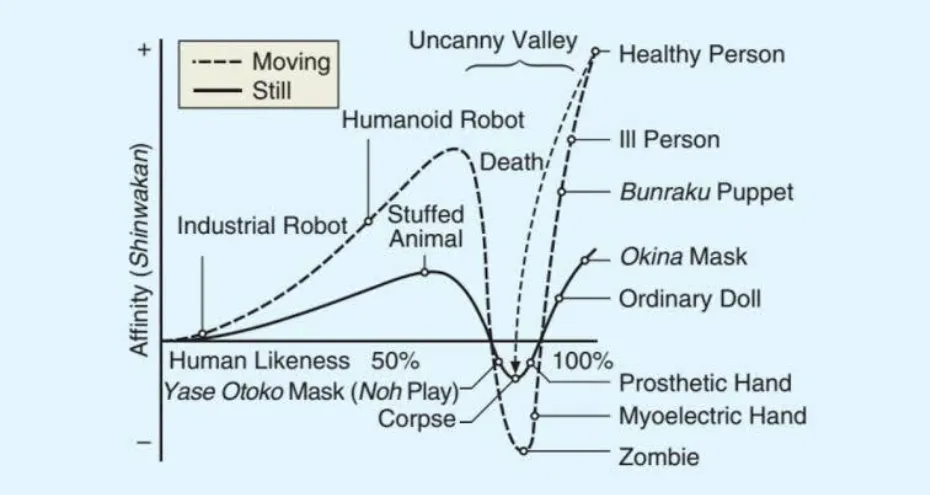
Recent examples
Remember when “The Mandalorian” tried to bring young Luke Skywalker back to life with CGI magic in 2020? The internet lit up with chatter, not just about Jedi powers, but because Luke’s digital doppelgänger looked almost real - but not quite.
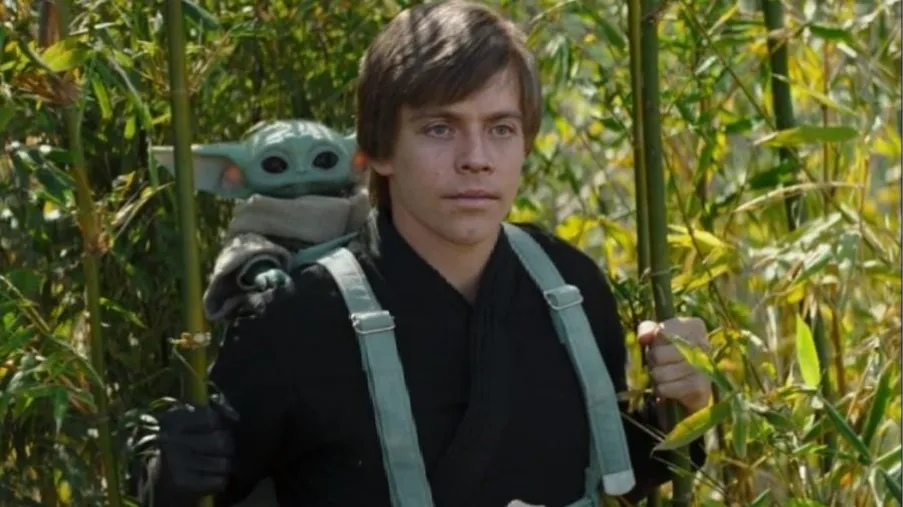
Fans everywhere felt that eerie tingle known as the uncanny valley, as Luke’s nearly-human face hovered just close enough to reality to feel, well, a bit freaky. It’s like your brain wants to cheer, “Hey, that’s Luke!” but your subconscious is telling you, “That’s definitely not Luke…”
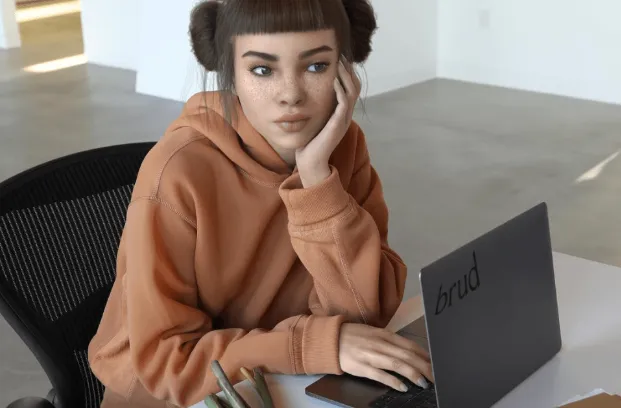
The uncanny fun doesn’t stop with space wizards. Take virtual influencers like Lil Miquela, whose flawless yet ever-so-slightly off features and movements keep followers both fascinated and weirded out. And at tech expos, hyper-realistic robots like Sophia the Robot (2025 version) try to dazzle crowds - until a mismatched smile or robotic blink reminds everyone they still have a way to go. I may have snort-laughed a few times watching this video of Sophia, and I can tell you Sophia DID NOT act like she appreciated the Blade Runner references the interviewer made. She almost nailed the smiling through gritted teeth… almost.
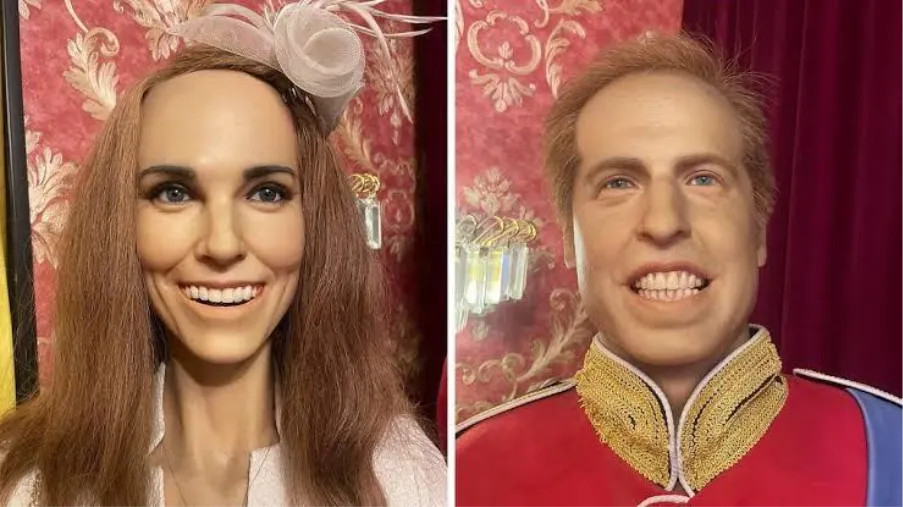
Still unconvinced? Look at these ‘masterpieces’ of wax work.
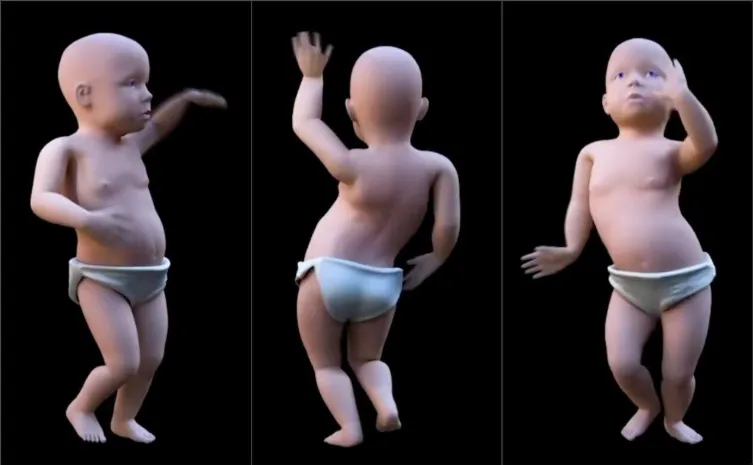
Or remember this little guy and the way he moved? Just all wrong.
New Zealand
The uncanny valley paid a visit to New Zealand in 2018, when ANZ, a major New Zealand bank, unleashed virtual customer service avatars with faces so realistic they could almost ask for your PIN. ASB followed suit. Instead of charming the public, these digital helpers left customers squirming as their near human features and ever-so-slightly wonky speech patterns triggered a wave of “Wait, are you… okay?” reactions. The company behind it (Soul Machines) went into receivership this month.
Tiktok trend
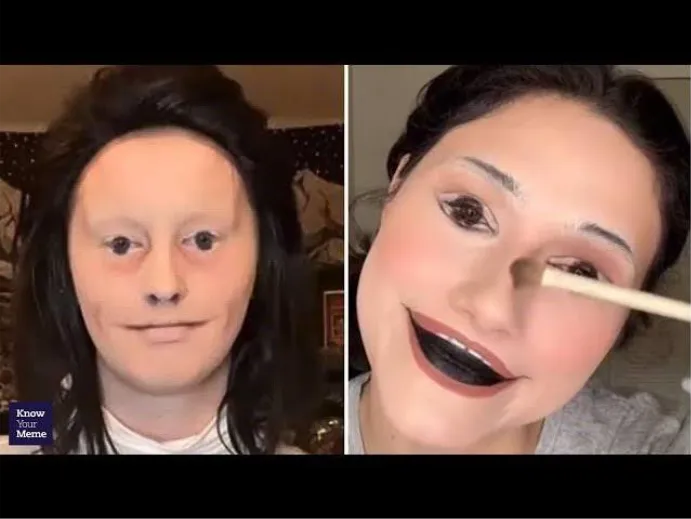
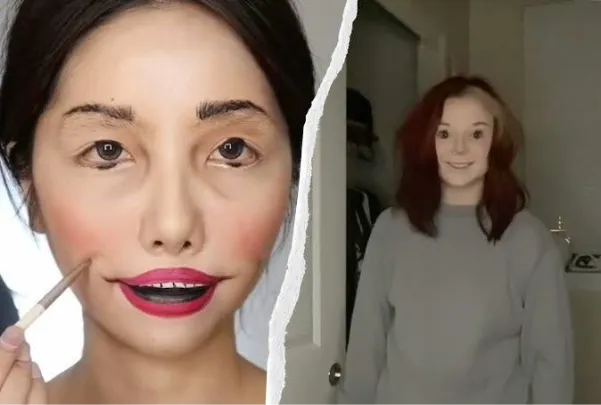
And of course no skeptics newsletter would be complete without a tiktok trend.
The “uncanny valley” TikTok makeup trend involves people intentionally using makeup to make themselves look almost, but not quite, human, mimicking the unsettling quality seen in robots or CGI characters. Popular techniques include exaggerated facial contours, lifelike yet stiff expressions, and glossy or doll-like skin to highlight the subtle oddities that trigger uncanny valley reactions. Sometimes they pair the look with robotic movements or digital effects.
What the research says
Recent studies indicate that the uncanny valley effect is most pronounced when the subject is highly humanlike but imperfect, causing increased activity in areas of the brain associated with threat detection and social cognition. Recent experiments using functional MRI (fMRI) have helped identify specific neural pathways involved in processing humanlike but artificial faces, supporting theories that the effect is rooted in evolved social mechanisms for detecting anomalies. Emerging evidence suggests that the effect is not limited to appearance, and can include voice, movement or even touch, in cases where they do not align with expectations.
The uncanny valley response can be influenced by cultural background, with some cultures showing greater sensitivity to subtle deviations from human norms than others. For example people based in the US showed a greater sensitivity than those in Japan. Studies involving children and elderly participants have found that age can affect the intensity of the uncanny valley reaction, with younger and older individuals sometimes reacting differently to almost-human entities. In the linked research they found the younger ones reacted more.
Some researchers have explored ways to reduce the uncanny valley effect, such as improving synchronisation of facial expressions and speech or introducing stylised, less realistic designs that avoid falling into the “valley.” There is also growing interest in the implications of the uncanny valley for mental health, particularly regarding social media filters and virtual influencers, with some studies suggesting potential impacts on self-image and emotional well-being.
Good or bad?
On the upside, the uncanny valley effect can be helpful by alerting us to things that may pose a threat or are not behaving as expected. It also encourages designers to improve realism or intentionally stylise digital creations, resulting in more comfortable and engaging interactions with technology. Oh yes, and it can also be a really great tool if you want to make a particularly stomach churning horror movie.
On the downside, the effect can cause discomfort, anxiety, or negative emotional reactions, especially when interacting with hyper-realistic avatars, filters, or robots that appear almost human but not quite.
Cultural and age-related differences mean the uncanny valley may impede accessibility or acceptance of new technologies for certain groups. There is also concern that exposure to uncanny filters or virtual influencers could impact self-image and mental health, particularly on social media platforms.
Overall, whether the effect is helpful or not depends on the context and how it is managed in design and by society.
But wait….as a final gift for those Skyrim players out there who are consummate uncanny valley veterans, I leave you with this video…