Hunt, Gather, Parent - Book Review
Katrina Borthwick - 24th November 2025
It’s always interesting to read (or in my case stream) a book that really challenges my assumptions and reality. This book sure did!
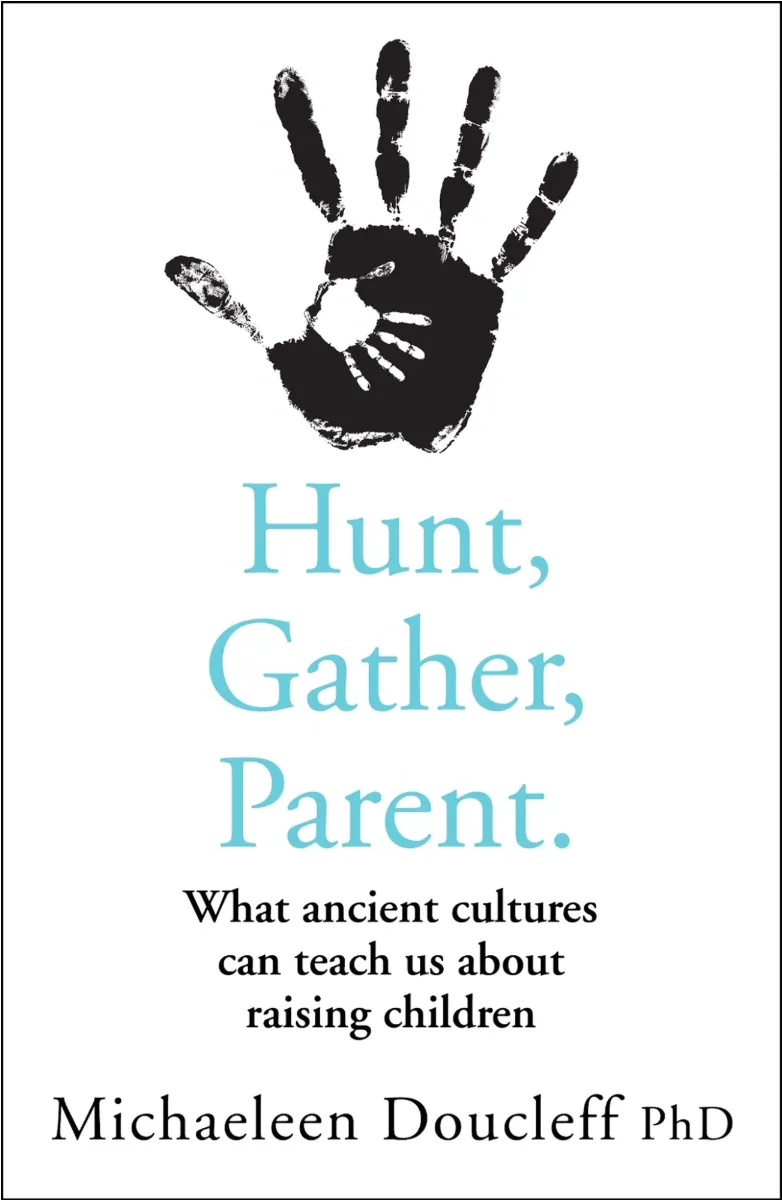
Hunt, Gather, Parent explores parenting techniques in the indigenous Maya, Inuit and Hadzabe communities, and argues that western approaches are downright weird - in fact they are the exception. It characterises the western approach to parenting as stressful and isolating, in contrast with the approach taken in these indigenous communities, which creates more cooperative and relaxed environments in which to raise children. The observation is that this leads to children that are happier, more helpful and more autonomous. Some of this is not new - there have previously been criticisms of attachment parenting advocated by baby advice books, and some of these are nicely summarised in this 2018 article by the Author of “The Antidote: Happiness for People Who Can’t Stand Positive Thinking”. I have just added that to my reading list…
The author of Hunt, Gather, Parent, Michaeleen Doucleff, is a science journalist and has a PhD in chemistry. She is not formally trained in child development or anthropology, but does have experience in interpreting scientific literature through her journalistic activities.
The book uses personal anecdotes and observations. She does reference some of the research on developmental psychology, including the benefits of intrinsic motivation and parenting styles that support autonomy. The research approach doesn’t really follow an ethnographic or field research methodology. It’s more a case of the author and her small daughter moving in with families, and then recording her observations and the advice she is given. The sample size here is terribly small. This means the book is essentially made up of anecdotal evidence. That’s not to say that these techniques described won’t work, just the evidence she has collected may not be generalisable or universally applicable. So take it for what it is.
In my mind, the contextual difference is everything. Trying to apply the techniques used in a small interdependent community in a western context may not achieve the same outcomes. The book doesn’t contain any guidance on how to adapt these parenting approaches to western society, and only describes what she did with her own three year old daughter. This leaves a big gap for other kinds of families - for example those with more than one child, older children or those with disabilities.
She has also been accused of cherry picking the positive outcomes while downplaying the socioeconomic challenges these communities face. Obviously these communities aren’t well off financially, and I feel that can make a huge difference on some fronts. For example, she briefly advocates for getting rid of most or all toys, and instead focusing on children using real tools to complete meaningful activities. I wonder if this is a lot easier to achieve if you don’t have much to start off with. At this point in my writing I am just side glancing at the overwhelming mountain of toys my two girls have, and how my previous attempts to get them to donate some to charity have gone. Apparently my six year old has every toy catalogued in her mind, so I am doubtful a stealth mission will work.
I am not going to spoil the book for you by listing all the techniques included, but I have tried a little bit of ‘sciencing’ and produced a bit of my own anecdotal ‘research’. Some of the techniques do work in our household. Both my girls (aged 6 and 7) love working alongside me doing crafts, gardening and cooking to varying degrees, especially if I don’t issue too many instructions. I am finding it enjoyable to just let them do as much as they want, the way they want, and I have been stepping back from micromanagement. Yes, the pizza had a giant pile of bacon in one spot, and BBQ sauce in another - but they ate it. Yes, stirring the stir-fry did seem to result in food flying out of the pan. No, I don’t think more than two weeds were pulled out by my youngest, but we had a good chat and she worked out the perfect sunhat and gumboots without me saying a thing.
I am also trying to let go of giving endless orders, with some mixed success. So, for example, just observing “the cat bowl is empty” instead of saying “feed the cat” or saying “you are going to hit someone with that stick” instead of “put the stick down”. This works great for my six year old, who tends to have a meltdown if I give her orders, but not so much for my 7 year old who has down syndrome and seems to need direct instructions. Hmmm… how does that go? As you would gather, a lot of it just involves keeping my mouth shut, which I’m awful at. I simply can’t believe how many instructions I give. If someone did this to me, I wouldn’t be doing it again and I would be avoiding the person. I have let my eldest chop things with a sharp knife and stir things on the stove under my watch. All the while I am holding myself back from saying anything, and just physically stopping anything that might cause harm. Weirdly, it’s so much less stressful!
I have completely stopped taking responsibility for everyone getting ready on time in the morning. I used to micromanage each step, so that the kids were out of bed and eating their breakfast at a good pace, and so on, so that they would be out of the door on time. Now I let them know it is time to get up, provide some assistance in getting their breakfast ready, let them know how much time there is left every now and then, and when it is time to go I just get in the car. This is where it flips. My eldest already has her clothes on in anticipation and gets in the car with a big grin. My youngest, who faffs around endlessly, starts screaming indignantly while mainly naked and alarmed that mum is starting the car… yelling “mum, you’re not helping me!”. I calmly wind the window down and tell her she can go to school as she is - and so we discover she can, in fact, get dressed really quickly. It’s kind of fun, and I hope she never reads this….
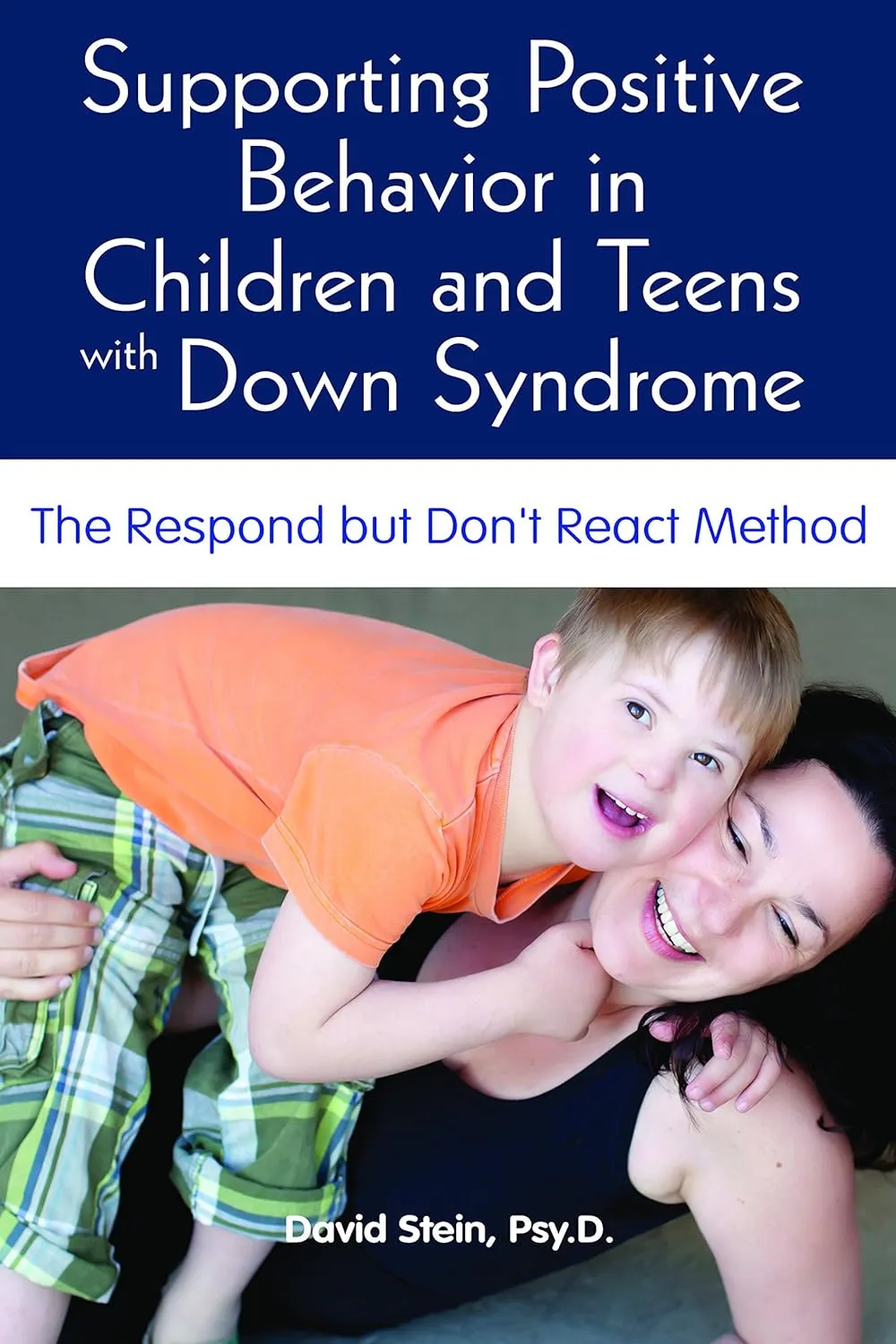
I do like the suggestion in the book of not getting worked up, or reacting to negative happenings, and this fits quite well with the techniques described in an amazing book I read a few years back called Supporting Positive Behavior in Children and Teens with Down Syndrome: The Respond but Don’t React Method. Both books state that any kind of attention, even negative attention, will reinforce unwanted behaviours. My experience, from a grand sample of two, is that this principle applies to neurotypical and neurospicy kids equally.
Another suggestion in the book that I find daunting is around creating a community of carers. I think I have hit a wall with that, and have taken it as far as I can go. I do have some adopted ‘aunties’, and we have great involvement from their grandfather, who visits from out of town a few times a year. I would love to make this one work on a more day-to-day basis, but I’m not sure where to start. My introvert self is also a bit resistant to the whole concept of involving a whole bunch of people in our lives on an ongoing basis. It sounds exhausting!
So the key stumbling blocks for my family will be the toys (oh so many toys), creating a community of ‘introvert friendly’ people, and the fact I am also unsure how I will ever stop giving praise. That last one is another tip from the book. I’m pegging this book as a bunch of suggestions to try, and there will be some things that are useful and some things that will just be awful. I don’t think it is ‘science’, but I am struggling to envision what formal research methodology you could use in some of these indigenous communities without getting more involved than you should - or affecting the outcomes. Would these people open up to ethnographic interviews? I guess we wouldn’t know until someone tries it. Quite a quandary.
Tags: book, communities, techniques, approaches, research, work, year, toys, time