9 December 2024 - Approx. 3 min read
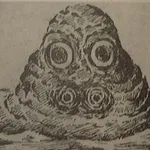
In part one of my delve into obscure local cryptids we looked at the Kabagon, which bore more than a passing resemblance to an elephant seal, the Roa Roa, which was likely a case of mistaken identity of livestock, and the Rotomahana Saurian, which may well have been a floating tree. Here are three more cryptids I found that appear to have rational explanations:
25 November 2024 - Approx. 6 min read
I'm taking a break from my post conference daze to write about something completely unserious – New Zealand Cryptids. Cryptids are animals whose existence or survival is disputed or unsubstantiated, such as the Yeti or the Loch Ness Monster.
22 March 2021 - Approx. 1 min read
A few weeks ago I wrote about big cats reported sighted in Canterbury, and opined that what had been seen was likely a feral cat.
27 May 2018 - Approx. 2 min read
In the past, searches have been conducted for Nessie, the Loch Ness Monster, using technologies ranging from men with binoculars to underwater video cameras and sonar.
1 November 2005 - Approx. 1 min read
Frank Searle, who produced 20 pictures of the Loch Ness monster and did more than anyone to make it a major tourist attraction, died on March 26 aged 84 (Dominion Post, 7 July).
1 November 1998 - Approx. 3 min read
IN THE beginning (specifically on October 23, 4004 B.C., at noon) out of quantum foam fluctuation God created the Big Bang out of inflationary cosmology. He saw that the Big Bang was very big, too big for creatures that could worship him, so He created the earth. And darkness was upon the face of the deep, so He commanded hydrogen atoms (which He created out of Quarks and other subatomic goodies) to fuse and become helium atoms and in the process release energy in the form of light. And the light-maker he called the sun, and the process He called fusion. And He saw the light was good because now He could see what he was doing. And the evening and the morning were the first day.